

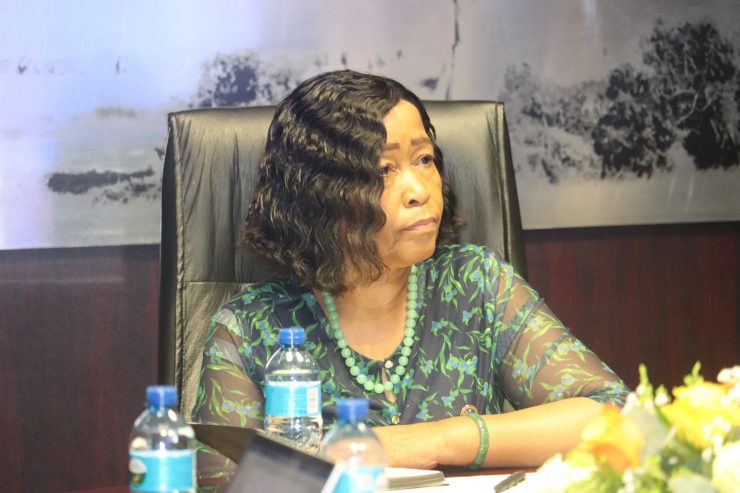
WINDHOEK, Nov. 26 — Namibia‘s three main dams supplying the capital, Windhoek, are now at 39.4 percent of capacity, down from 63.9 percent a year earlier, raising concerns over water security. Omatako Dam, one of the three dams, is empty, Namibia‘s Minister of Agriculture, Fisheries, Water and Land Reform Inge Zaamwani told Parliament on Thursday.
National dam storage stood at 76.4 percent, compared with 79.7 percent a year earlier, and the regional climate outlook also indicates an increased likelihood of below-normal rainfall between December and February.
Zaamwani said shortages typically intensify from around September, when the dry season begins and seasonal water sources, including oshanas and earth dams, dry up.
Communities then rely more heavily on boreholes and the Namibia Water Corporation Ltd (NamWater)’s pipeline network. The minister cited insufficient water sources, ageing pipelines and limited distribution capacity, as well as power interruptions that disrupt pumping and water treatment.
NamWater recorded 22 major power-related interruptions between April and September, including 14 unplanned outages. To ease shortages, the government is implementing rotational water rationing, deploying water tankers, installing 95 boreholes nationwide and constructing 13 small-scale desalination plants.
It is also maintaining 24 existing facilities. NamWater is considering installing standby generators at vulnerable treatment plants and pumping stations in areas supplied by the Northern Regional Electricity Distributor, the minister said.
Namibia is one of the driest countries in sub-Saharan Africa, with recurrent droughts and highly variable rainfall putting pressure on water supplies. (Namibia Daily News / Xinhua)

