

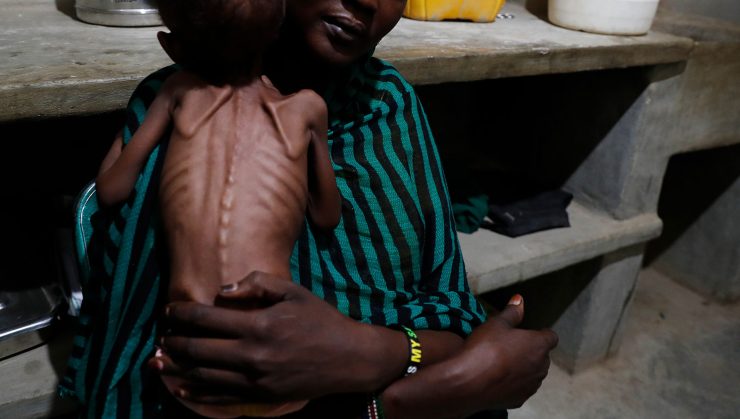
JUBA, Sept. 14 — After fleeing the conflict in Sudan, Bibiana Abidjilio Tombe arrived in South Sudan seeking safety, with few possessions and no clear path to self-sufficiency. Pregnant and without family support, Tombe faced immediate livelihood challenges upon reaching Renk, a key transit hub for displaced populations, where securing necessities such as food proved an immediate hurdle.
“I don’t have a family. I don’t have anything,” she told Xinhua. Her experience underscores a broader crisis confronting refugees and South Sudanese returnees escaping violence in Sudan. Rebuilding livelihoods remains a formidable hurdle for displaced populations who have lost their homes, assets, and economic stability.
World Food Program (WFP) Assistant Executive Director for Program Operations Matthew Hollingworth noted that many individuals endure arduous journeys covering hundreds of kilometers to reach South Sudan, frequently arriving exhausted, traumatized and separated from their families.
“They come with very little,” he said. According to Hollingworth, returning citizens face total socio-economic dislocation, while Sudanese refugees arrive severely depleted of assets. As global humanitarian funding shrinks, the temporary support network bridging displacement and economic independence is rapidly eroding.
Further aid reductions threaten to exacerbate poverty, strain integration with host communities, and escalate security risks in Renk, with rising child malnutrition signaling a severe health crisis among incoming families.
WFP leadership in Juba warned that the food aid for nearly 850,000 refugees and internally displaced individuals could terminate in October without urgent financial intervention.
To sustain operations through 2026 and into early 2027, WFP is seeking 366 million U.S. dollars in total — 86 million dollars immediately through the end of the year and 280 million dollars for the following six months.
According to the WFP’s data released in April, 7.8 million people in South Sudan face high acute food insecurity, with 2.2 million children suffering acute malnutrition. WFP Country Director Mutinta Chimuka stressed that resource reductions threaten to paralyze South Sudan’s dual response to domestic displacement and incoming refugee flows.
The WFP is maintaining a dual-track strategy that combines emergency relief with long-term resilience initiatives, such as targeted agricultural programs designed to restore local food production, generate income, and reduce reliance on emergency aid.
Long-term food security in South Sudan hinges on establishing peace and stability to unlock the country’s vast agricultural potential, according to Chimuka. However, for displaced communities in regions like Renk and Pigi, the bridge from humanitarian reliance to self-sufficiency remains precarious.
Displaced individuals face the daunting task of rebuilding livelihoods from total asset loss in an environment of dwindling global aid. The broader challenge facing South Sudan’s displaced population — refugees, returnees and IDPs alike — is securing the resources and security needed to transition from emergency survival to long-term economic recovery.(Namibia Daily News / Xinhua)

