Advertise Here

CAF sanctions Kenya again over crowd trouble

NAIROBI, Aug. 12 — The Confederation of African Football (CAF) has sanctioned African Nations Championship (CHAN) co-host Kenya for the second time in as many weeks over security breaches.

In a statement Monday evening, the continental governing body said it has limited entry to the 48,000-seat Moi International Sports Center, also known as Kasarani Stadium, to 27,000 fans for Sunday’s Group A match between Kenya and Zambia.

CAF said only electronic ticket holders will be allowed into the stadium, with thermal tickets prohibited. The governing body warned that Kenya’s matches could be relocated from Kasarani Stadium if organizers fail to prevent further breaches.

“We trust these measures will be applied swiftly to protect competition’s integrity, ensure fan safety, and uphold confidence in Kenya’s commitment to the tournament,” CAF said.

The sanctions follow incidents on Aug. 10 when Kenya defeated two-time winner Morocco 1-0 despite playing the entire second half with 10 men.

The win put Kenya top of Group A with seven points. The debutants will reach the quarterfinals with at least a draw against winless Zambia.

Last week, Kenya’s football federation was fined nearly 20,000 U.S. dollars for security lapses during the team’s 1-0 win over DR Congo in the tournament opener on Aug. 3.

In the latest case, CAF cited major lapses, including stadium gates and restricted service areas being overrun by ticketless spectators and holders of government-distributed physical tickets.

It also accused security personnel of losing control at exit points and allowing breaches of the perimeter fence that enabled thousands of ticketless fans to enter.

CAF expressed alarm over the use of tear gas and flash grenades, reports of live ammunition fired near spectators and staff, and violent incidents such as stone-throwing at security personnel.

It also cited unsafe vehicle movement in spectator areas, inadequate police response, and the lack of medical incident reports despite injuries being reported.

Organizers were further criticized for insufficient communication tools and the absence of CCTV coverage at critical entry points. (Xinhua)

August 12, 2025 0 comment
0 Facebook Twitter Google + Pinterest
Namibia’s economy projected to grow 3.5 pct in 2025

WINDHOEK, Aug. 12  — Namibia‘s economy is projected to grow by 3.5 percent in 2025, down from 3.7 percent in 2024, due to weaker performance in agriculture, mining and manufacturing, the central bank said in its latest economic outlook released on Monday.

In its August Economic Outlook report, the Bank of Namibia (BoN) said the deceleration is mainly attributed to a contraction in primary industries, particularly the livestock sub-sector, stemming from reduced herd sizes, which continue to be impacted by the drought conditions experienced in 2024.

Additionally, BoN said the diamond mining sector is expected to continue its declining path, reflecting weak global demand coupled with headwinds from the imposition of trade tariffs and rising competition from lab-grown alternatives.

It noted that the manufacturing sector is also set to weigh negatively on growth, with notable contractions anticipated in meat processing and basic non-ferrous metals.

According to the bank, growth is, however, estimated to recover to 3.9 percent in 2026, supported by a rebound in agriculture, continued strength in construction, and improved output in uranium and metal ores.

Downside risks include a potential reduction in diamond export earnings, trade disruptions linked to protectionist policies, and inflationary pressures from global conflicts.

Lower revenues from the Southern African Customs Union and diamond sales could increase debt sustainability risks, possibly requiring expenditure cuts to safeguard fiscal stability, the report warns.

August 12, 2025 0 comment
0 Facebook Twitter Google + Pinterest
Namibia launches report outlining roadmap for AI development

WINDHOEK, Aug. 12  — The Namibian Artificial Intelligence Readiness (AI) Assessment Report, launched here on Monday, envisions the southern African country as a potential leader in Africa’s AI landscape.

The report offers a critical roadmap for Namibia‘s AI development, striking a balance between goals and an examination of existing challenges.

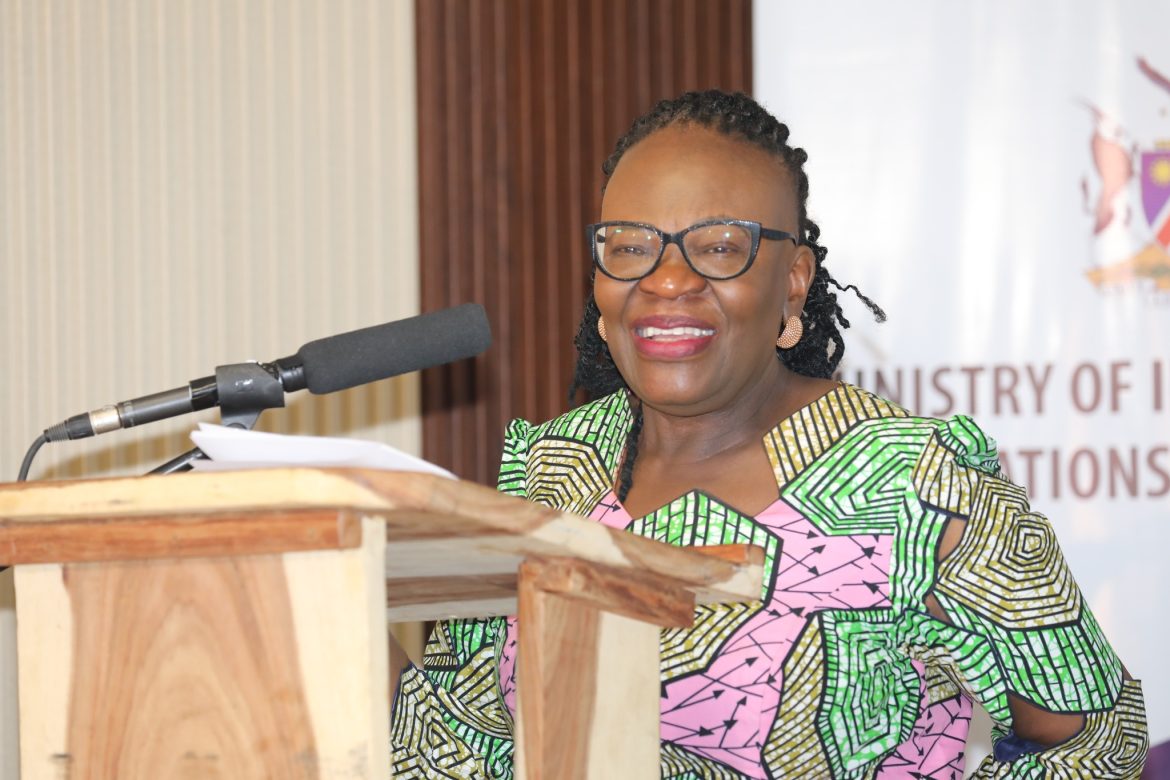
Namibia is proud to be among the first African countries to pilot this important initiative. Artificial intelligence is often described as the defining technology of our time,” said Minister of Education, Innovation, Youth, Sports, Arts and Culture Sanet Steenkamp in her keynote address.

The report was developed in collaboration with the United Nations Educational, Scientific, and Cultural Organization (UNESCO).

“I wish to sincerely thank UNESCO, as well as the dedicated national team, who worked tirelessly to produce this assessment,” she said, highlighting the report as a “bold and necessary step in positioning Namibia on the global map of ethical, inclusive, and forward-thinking artificial intelligence.”

According to Steenkamp, the report identifies both the strengths and weaknesses present in the country’s current AI ecosystem.

On the one hand, Namibia has made major advances toward laying the groundwork for digital transformation, including investing in digital infrastructure and science, technology, engineering and mathematics (STEM) education, offering AI-relevant degrees at public universities, and passing key legislation such as the Access to Information Act of 2022.

However, the report highlights pressing challenges that require immediate attention. “Namibia currently has no dedicated national AI strategy or policy.

This limits our ability to coordinate and govern AI development in a holistic and forward-looking manner,” the minister said.

Steenkamp called for the creation of a national AI strategy, a multi-stakeholder advisory council, and increased investment in infrastructure and education. (Xinhua)

August 12, 2025 0 comment
0 Facebook Twitter Google + Pinterest
Israel establishes new military outpost in S. Lebanon despite ceasefire

BEIRUT, Aug. 11  — The Israeli army is building a new military post in southern Lebanon, which could bring the total number of positions it holds in the border area to six, according to Lebanese security sources and eyewitnesses.

A reliable Lebanese security source told Xinhua that “an Israeli military crew equipped with several bulldozers and excavators began construction work on a new military post in Khallat al-Makhafir, in the eastern sector of Lebanon’s southern border area.”

The source added that the post is located near the Israeli settlement of Misgav Am, about 800 meters inside Lebanese territory.

Eyewitnesses from villages along the border told Xinhua that “the Israeli crew has completed leveling the land and is working on digging bunkers and building earth mounds, as well as installing dozens of concrete blocks around the site.”

They added that the team is operating under the protection of several Israeli Merkava tanks stationed on the hills overlooking this point.

Despite a ceasefire agreement between Israel and Hezbollah taking effect since Nov. 27, Israel still occupies five sites in southern Lebanon and continues to carry out airstrikes on border areas, claiming they are aimed at eliminating “threats” from Hezbollah.

According to the sources, the five occupied positions — Tallet al-Hammams, Tallet al-Oweida, Jabal Blat, al-Labouneh, and al-Aziyeh — are located on strategic hills that provide a commanding view of the area and a superior firing position, rising higher than the Israeli settlements in northern Israel. (Xinhua)

August 11, 2025 0 comment
0 Facebook Twitter Google + Pinterest
Hundreds evacuated as wildfires spread across north-western Spain

MADRID, Aug. 11 — Hundreds of residents have been evacuated as multiple wildfires continue to blaze the northwestern Spanish region of Castilla y Leon, with authorities battling dozens of flames fueled by extreme heat and dry conditions.

One of the most serious fires, which began on Saturday afternoon, has reached the UNESCO World Heritage Site of Las Medulas, an area known for its historic Roman gold mines and rich natural woodland.

Residents of Las Medulas and nearby Carucedo and Orellanwere were evacuated over the weekend. “We are surrounded; the town is encircled by flames,” Carucedo Mayor Alfonso Fernandez told regional digital media outlet LeonNoticias, calling the situation devastating for the community.

Another wildfire forced an evacuation of around 850 people in the province of Zamora. Local emergency services reported progress in containing the fire, aided by heavy machinery and overnight efforts.

Castilla and Leon recorded more than 30 wildfires of varying size over the weekend, as Spain endures one of its longest and most intense heatwaves since records began in 1975.

Temperatures in the region exceeded 35 degrees Celsius. Fires have also been reported in the northern region of Navarra and the southwestern province of Huelva.

According to the European Forest Fire Information System, over 46,000 hectares of land have been burned in Spain so far in 2025.

That loss is likely to increase, with the heatwave expected to continue through at least next weekend. (Xinhua)

August 11, 2025 0 comment
0 Facebook Twitter Google + Pinterest
Large parts of England on heat-health alert as temperatures soar

LONDON, Aug. 11 — The British Health Security Agency (UKHSA) and the Met Office on Monday issued an amber heat-health alert (HHA) for five regions of England, effective from Tuesday, as hot weather is expected to grip much of the country this week.

The amber alert, described as an “enhanced hot weather response,” covers the West Midlands, East Midlands, South East, London, and East of England.

In addition, a yellow alert has been issued for the North West and North East regions during the same period. The South West and Yorkshire and the Humber regions remain under a yellow HHA already in force.

The Met Office said a combination of high pressure and a southerly airflow would push temperatures higher across much of England and Wales in the first half of the week, with some areas exceeding 30 degrees Celsius on Monday.

London is likely to see temperatures peak in the mid-30s degrees on Tuesday. Met Office Deputy Chief Meteorologist Tom Crabtree said that warmth would dominate the first half of the week, with temperatures staying above average in the latter part, especially in the southeast.

The Met Office said its heatwave criteria, where specific thresholds must be exceeded for three consecutive days, are likely to be met by Wednesday across much of southern and central England.

The UKHSA warned that high temperatures would significantly impact the health and social care services. Dr. Paul Coleman, consultant in Public Health at UKHSA, said such temperatures can cause serious health problems, particularly among vulnerable groups such as the elderly and people with underlying diseases.

He urged the public to take sensible precautions while enjoying the sunny weather.  (Xinhua)

August 11, 2025 0 comment
0 Facebook Twitter Google + Pinterest
AN ASSESSMENT IMPACT ON ECONOMIC PRODUCTIVITY OF SOE’S

By JOSEF KEFAS SHEEHAMA

It is very concerning that the Namibian government and its ministers find State-Owned Enterprises (SOEs) appealing, despite the fact that they cost the taxpayer millions of dollars. It is undeniable that some SOEs contribute to market failures, which eventually affect macroeconomic variables, as proven by current proceedings in Namibia’s distinct competent courts.

 Therefore, the SOEs were founded with a capitalist mindset to encourage citizens to view them more critically, while a few individuals take advantage of wealth that is justified by Namibia’s severe inequality, leaving others in poverty and destroying the economy of the country. For example, there is an immense flaw that guarantees; that some elites benefit from NAMCOR resources and that funds only go to one family, which is quite upsetting.

 It is crucial to point out that Namibia’s general state model demonstrated how the economy as a whole is impacted by the State-Owned Enterprises’ ongoing performance degradation. Growing government debt and budget deficits may raise the pressure to borrow money to make ends meet. Increased domestic borrowing will reduce GDP and raise unemployment, particularly among the unskilled. Being prepared and aware of the effects on the broader economy underscores the importance of addressing competitiveness concerns in State-Owned Enterprises. However, with the right settings and collaboration from other stakeholders, SOEs remain an important tool for delivering societal and public value. In addition to creating long-term value creation for the general public, SOEs can build trust by being transparent and accountable in their reporting and communication of targets, relationships, actions, and performance. Despite their limited contribution to government revenue, State-Owned Enterprises (SOEs) pose significant fiscal risks due to their lack of financial viability and require extensive budget support. This is a complete lack of economic competence, instruments, and experience. The risk of not being prepared to develop an enterprise sustainability vision, strategy, and structure is considerable.

Furthermore, it is long overdue for the new administration to launch a comprehensive assessment of its State-Owned Enterprises. This will enable the government to make bold and informed decisions about the future, optimize resource allocation, and build a more competitive and efficient economy while maintaining providing critical public services and satisfying national development targets. As certain SOEs are operating poorly, we must remember that government revenue created by hardworking Namibians is intended to be distributed to provide citizens with essential services. Unfortunately, some Sate-Owned Enterprises rely on government bailouts. The least fortunate and most vulnerable Namibians rely largely on the government’s fundamental responsibilities. As a result, the new administration must discontinue transferring funds to failed SOEs, diverting resources away from sectors where they are desperately needed. Addressing rising risks and inadequate efficiency in State-Owned Enterprises (SOEs) is crucial to Namibia’s transition to a more sustainable growth model. To realize Namibia’s growth potential and ensure rapid economic development that raises the standard of living for all Namibians, bold, serious consequence management must be applied. A good SOE can enhance resource allocation, eliminate major vulnerabilities, and provide space for employment development as a result of a stronger economic recovery in areas where the majority of SOEs fail owing to poor management.

Furthermore, the government may find itself borrowing money from outside sources if it continues to support any of these troublesome SOEs. Large funding injections are usually required for SOE bailouts, primarily for enterprises that are having financial difficulties. As a result, the government will need to borrow funds to cover these expenses. The government’s debt to GDP ratio is predicted to worsen to about 68%, with the potential to eventually exceed 70%. It is projected that the debt service burden will exceed N$13.7 billion in the fiscal year 2025–2026, surpassing the total development budget. The continuation of these acts will have an impact on the vital investments in many businesses that can help raise the standard of living for all Namibians.  In contrast certain State-Owned Enterprises have contributed to drive economic growth, social stability, and infrastructure development, they are frequently chastised for inefficiency and potential market distortions. It is vital to recognize that SOEs must take a path that blends their ongoing support for national goals with the need for enhanced efficiency and a market-oriented focus. The Bank of Namibia’s Economic projection expects that the economy will increase by roughly 4.0% in 2025, indicating an optimistic outlook for the country’s economic performance. In truth, the government is under pressure to continue streamlining spending, which is likely to undermine economic prospects. Private sector spending has slowed as a result of relatively weak domestic demand. So, what should be done to support economic growth and development? It is time to break the loop of SOE addiction, cut off the supply, and demand better from our public institutions. The new government must prioritise its responsibility to Namibians. In general, the new government must make the daring decision to investigate the SOEs to determine if it requires all of them and to launch a reengineering process for those that it decides to preserve. To prevent spending resources on enterprises that will be a drain on the state’s resources, the government must exercise vigilance.

Moreover, if effectively implemented, these measures tend to increase the likelihood that nonperforming SOEs will be privatized. This is due to the fact that better local conditions can inspire investor confidence, which in turn can lead to investment, including the private sector’s acquisition of nonperforming SOEs, which can promote growth. Privatization and investment have been largely hampered by the current external conditions of corruption, political influence, and poor management of SOEs. To prevent a strain on government revenue, it is crucial to gauge the operational and financial performance of SOEs. In this context, there is a need to strengthen fiscal risk identification, assessment, monitoring, and mitigation, particularly in terms of unplanned SOE bailouts caused by the realization of explicit or implicit contingent obligations. Building the capacity to identify and manage fiscal risks will support continuing reform efforts and serve as part of an early warning and mitigation system for risks posed by possible SOE financial challenges.

 The establishment of independent supervision systems, the appointment of competent and experienced board members, and the enhancement of transparency and disclosure standards will be crucial amongst SOEs.

As a result, while the new administration could encounter difficulties along the way, the benefits of a revitalized and productive state-owned company sector are enormous. Namibia’s administration must grasp this opportunity and steer the country toward a more sustainable and just economic destiny if it hopes to maintain its wealth and the welfare of its people in the future.

August 11, 2025 0 comment
0 Facebook Twitter Google + Pinterest
Ukraine, EU must be part of any U.S.-Russia deal: EU’s top diplomat

BRUSSELS, Aug. 11  — European Union (EU) foreign policy chief Kaja Kallas said on Sunday that any agreement between the United States and Russia must include Ukraine and the EU, as the two countries prepare for talks on a possible ceasefire of conflicts in Ukraine.

“Any deal between the U.S. and Russia must have Ukraine and the EU included, for it is a matter of Ukraine’s and the whole of Europe’s security,” she said.

Kallas revealed that she would convene an online meeting of EU foreign ministers on Monday to discuss “our next steps.”

U.S. President Donald Trump and Russian President Vladimir Putin are due to meet on Aug. 15 in the U.S. state of Alaska to discuss a possible ceasefire in Ukraine, the first talks between the two leaders since 2021. (Xinhua)

August 11, 2025 0 comment
0 Facebook Twitter Google + Pinterest
Israeli attempt to take over Gaza City must be firmly opposed: Chinese envoy

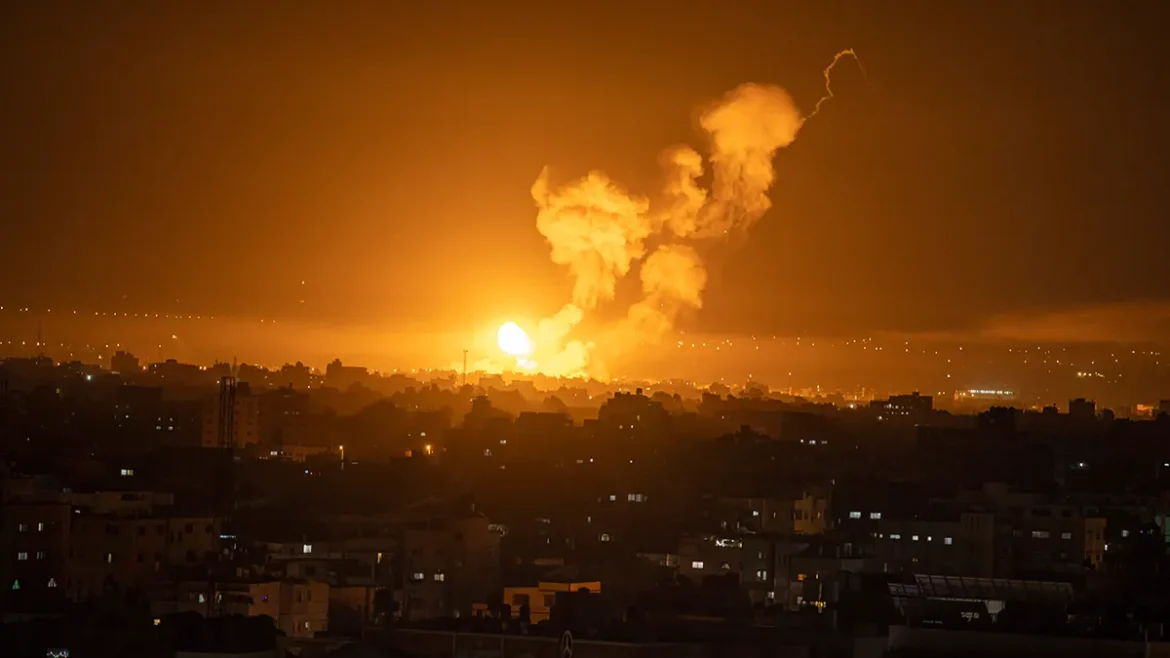
UNITED NATIONS, Aug. 11 — A Chinese envoy on Sunday expressed grave concern over Israel’s plan to take over Gaza City, saying any attempt to take over parts of the Palestinian territory must be firmly opposed.

The approval by Israel’s Security Cabinet of a plan to take over Gaza City is “a matter of grave concern,” China’s permanent representative to the United Nations Fu Cong, said at a rare emergency weekend meeting on the Palestinian-Israeli issue held by the UN Security Council, urging Israel to “stop this dangerous move at once.”

“Gaza belongs to the Palestinian people. It is an integral part of the Palestinian territory. Any action that seeks to alter its demographic and territorial structure must be met with utmost rejection and resistance,” Fu stressed.

Fu said that military means are not the way to resolve the long-standing conflict, and an immediate ceasefire is the only right way to save lives and secure the release of hostages.

He called on the Israeli government to listen to the calls of the international community and its own people, immediately stop escalating tensions, and end its military operations in Gaza.

“The countries with significant influence over the parties must uphold a just and responsible stance and take concrete steps to push forward a ceasefire,” he added.

Fu also urged Israel to fulfill its obligations under international humanitarian law as an occupying power; open all border crossings; lift restrictions on aid access; ensure large-scale, swift, and safe entry of humanitarian supplies into Gaza; and support the United Nations in its aid delivery under humanitarian principles.

Fu called implementing the two-state solution “the only viable path to resolving the Palestinian question and achieving the peaceful coexistence between Palestine and Israel.”

He urged the international community to “redouble efforts to advance the political process of the two-state solution and jointly counter any unilateral move that sabotages its foundation.”

China stands ready to work alongside the world to advance an end to the war in Gaza, alleviate the humanitarian catastrophe, and implement the two-state solution to ultimately achieve a comprehensive, just, and lasting solution to the Palestinian question, said Fu.

At the meeting, Israel’s Gaza takeover plan sparked widespread outcry and condemnation from most of the Security Council members. (Xinhua)

August 11, 2025 0 comment
0 Facebook Twitter Google + Pinterest
Swakop Uranium eyes 6,000-tonne output by 2028 in Namibia

WINDHOEK, Aug. 11  — Swakop Uranium expects to reach a design production capacity of an annual 6,000 tonnes of uranium oxide by 2028 at its Husab Mine in Namibia, up from the current output of 5,300 tonnes, the company has said.

“At that particular stage, I would dare to say that we will become the second-largest producing asset, if not the first,” said Irvinne Simataa, executive vice president at Swakop Uranium, at a mining expo on Thursday.

“We are now fully ramped up at 120 million tonnes drilled, blasted, and hauled,” he said. The life of the mine has been extended to 2044, backed by a resource base of approximately 315 kilotonnes, Simataa said, adding that additional geological work is ongoing.

To sustain future output, the company has reconstituted its exploration program with a 1.4-billion-Namibian-dollar (about 78.8 million U.S. dollars) commitment to drill 680,000 meters over seven years, including 100,000 meters planned in 2025.

“The intention, of course, is to be able to find another Husab within Husab,” Simataa said, adding that the project includes 21 rigs currently operating on a 60,000-hectare tenement.

Swakop Uranium is a joint venture between China General Nuclear Power Corporation and Namibia‘s state-owned Epangelo Mining Company. (Xinhua)

August 11, 2025 0 comment
0 Facebook Twitter Google + Pinterest