WINDHOEK, April 29 — Namibia’s inflation is projected to rise to an average of 3.7 percent in 2026 before easing to 3.4 percent in 2027, the central bank said, pointing to mounting price pressures despite a subdued first-quarter trend.
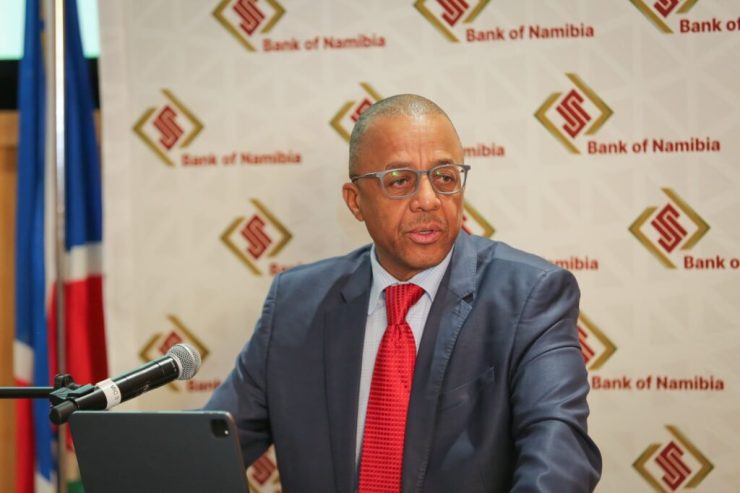
Speaking at a monetary policy announcement in Windhoek, Governor Ebson Uanguta said the Bank of Namibia had decided to keep the repo rate unchanged at 6.5 percent following its Monetary Policy Committee meeting held on Monday and Tuesday.
Inflation averaged 2.5 percent in the first quarter of 2026, down from 3.7 percent in the same period last year, supported by lower food prices and transport costs, Uanguta said, adding that the outlook has been revised upward on expectations of higher oil and food prices, as well as exchange rate volatility.
Risks to the inflation outlook remain tilted to the upside, including potential increases in administered prices and spillover effects from the prolonged conflict in the Middle East, the central bank said.
On the domestic front, Uanguta said, real GDP is projected to grow by 2.6 percent in 2026 and 2.9 percent in 2027, following a slowdown to 1.7 percent in 2025 from 3.8 percent in 2024 due to contractions in primary industries and weaker performance across other sectors.
Private sector credit extension showed slight improvement but remained weak overall, with annual growth rising to 4.7 percent in February 2026, mainly driven by increased borrowing by businesses, he added.
Meanwhile, the bank said, Namibia’s external position has deteriorated, as the merchandise trade deficit widened to about 9 billion Namibian dollars (about 544 million U.S. dollars) in the first quarter, reflecting a faster increase in imports despite higher export earnings.
International reserves stood at 51.8 billion Namibian dollars at the end of March, equivalent to 3.2 months of import cover, which the central bank said remains sufficient to support the currency peg and meet international financial obligations. (Namibia Daily News / Xinhua)