Advertise Here

Class action filed over sexual assault, discrimination within Australian Defense Force

CANBERRA, Oct. 24 — Servicewomen have launched a landmark class action lawsuit over allegations that they suffered systemic sexual abuse while serving in the Australian Defense Force (ADF).

The legal action was filed in Australia’s Federal Court on Friday by Brisbane-based law firm JGA Saddler, claiming that sexual violence, harassment and discrimination are widespread within the ADF.

Filed on behalf of four lead applicants, whose identities were withheld for legal reasons, the class action suit is open to all women who were subjected to sexual violence, harassment or discrimination while working in the ADF between November 2003 and May 2025.

Joshua Aylward, a director at JGA Saddler, said that the legal case is a demand for action, accountability and real change within the ADF and that the firm expects thousands of women to join the class action.

“The threat of war often isn’t the biggest safety fear for female ADF personnel; it is the threat of sexual violence in their workplace,” he said.

Friday’s filing in the court included allegations from one applicant that she had received abusive messages after accusing a male colleague of sexual assault.

Another applicant alleged that she was verbally abused after making a formal complaint about a male colleague’s harassment.

A Department of Defense spokesperson said in a statement on Friday that the ADF is developing a comprehensive sexual misconduct prevention strategy. (Xinhua)

October 24, 2025 0 comment
0 Facebook Twitter Google + Pinterest
Creating Wealth at Every Stage of Life – A Namibian Perspective

By Deon van Dyk, Company Wealth Manager at Momentum Investments Namibia

Introduction

In Namibia, meaningful discussions about personal finance often occur too late—typically in response to a financial crisis or major life event. Yet, wealth creation is not an event; it is a lifelong process that requires foresight, discipline, and adaptability. Much like Namibia’s vast and open landscapes, financial growth unfolds over time. Regardless of whether one is in their twenties or approaching retirement, proactive financial planning today will profoundly influence tomorrow’s outcomes.

The Namibian Financial Context

While international financial principles offer valuable guidance, Namibia’s socioeconomic and cultural realities demand a localised approach. Extended family structures, cultural obligations, and variable income patterns shape the financial decisions of Namibian households. Contributions to community events such as weddings or funerals, supporting siblings’ education, or investing in property within Windhoek or other regions, are integral parts of our financial landscape. Consequently, effective financial planning in Namibia must balance personal goals with familial and communal responsibilities.

Financial Priorities Across Time Horizons

Short-Term Goals:

Building an emergency fund is the first step. Too often, a car repair, a medical bill, or unexpected family responsibility derails longer-term plans. Aim to have at least three months’ income saved, no matter your age.

Medium-Term Objectives

During the accumulation phase, individuals often balance multiple financial commitments: funding education for themselves or dependents, repaying debt, or saving for a home. Many Namibians also face the “sandwich generation” dilemma—simultaneously supporting children and ageing parents. Strategic budgeting and disciplined saving during this stage are crucial to maintaining financial stability.

Long-Term Objectives

Long-term wealth goals center on retirement readiness, intergenerational wealth transfer, and legacy planning. Early and consistent investment in retirement funds significantly reduces the financial burden later in life, enabling individuals to retire with dignity and to leave meaningful assets—financial or otherwise—to their beneficiaries.

Financial Planning Through the Life Stages

Early Adulthood (20s–30s): Establishing the Foundations

This stage is characterised by income growth and the development of financial habits. Even modest, consistent contributions to savings or investment vehicles can yield substantial long-term benefits through the power of compounding. Key recommendations include:

  • Open a tax-efficient savings or investment account as early as possible.
  • Distinguish between productive (“good”) debt—such as home loans—and unproductive (“bad”) debt, such as high-interest consumer credit.
  • Obtain adequate medical cover to protect against unexpected healthcare costs.
  • Begin retirement savings immediately; consistent contributions of even N$500 monthly at this stage can surpass larger contributions made later in life.

Midlife (40s–50s): Balancing Commitments and Preparation

At this stage, individuals often experience peak earning potential but also heightened financial pressure. Competing demands—children’s education, home maintenance, and elder care—necessitate careful prioritisation. To strengthen long-term financial security:

  • Increase retirement contributions to capitalise on compound growth and tax benefits.
  • Establish or expand education savings plans, as tertiary education costs in Namibia continue to escalate.
  • Reassess life insurance, estate planning, and will provisions to ensure dependents are adequately protected.

Later Life (60s and Beyond): Consolidation and Legacy

Retirement marks the transition from income accumulation to preservation and distribution. Medical costs and inflation present significant challenges in this stage, requiring prudent financial management. Individuals should:

  • Regularly review retirement income to ensure it covers living and healthcare expenses.
  • Simplify their financial affairs by reducing unnecessary debt and consolidating assets.
  • Engage in legacy planning—passing on assets, knowledge, and values to future generations

The Value of Professional Financial Advice

Financial planning is dynamic, not static. Life events—career changes, business ventures, or health challenges—can alter financial trajectories unexpectedly. Engaging a qualified financial adviser provides critical guidance and accountability. In Namibia, professional advisers possess the contextual understanding of local tax frameworks, investment products, and cultural expectations necessary to craft tailored and sustainable financial strategies.

 Conclusion

A strategic financial plan transforms uncertainty into opportunity. In Namibia, building wealth extends beyond individual prosperity—it is an act of empowerment for one’s family, community, and future generations. With discipline, expert guidance, and consistent commitment, every Namibian can navigate the journey toward financial independence and security.

October 24, 2025 0 comment
0 Facebook Twitter Google + Pinterest
UNICEF representative highlights China’s support for international development, humanitarian endeavors

BEIJING, Oct. 24 — In recent years, China’s support for international development and humanitarian efforts in the Global South has made a tangible impact on children’s lives, said Representative of the United Nations Children’s Fund (UNICEF) to China Amakobe Sande, ahead of the 80th anniversary of the founding of the United Nations (UN).

In an interview with Xinhua, she indicated that this impact was especially significant in low-income countries and those affected by natural disasters.

“Over recent decades, the government of China has made significant progress for children, particularly on child-related Sustainable Development Goals, and UNICEF is proud to have supported many of these achievements,” she said.

This year marks the 80th anniversary of the founding of the UN. Since 1979, UNICEF has worked closely with the Chinese government to support progress across areas such as education, health, nutrition, child protection, emergency response and South-South cooperation.

Sande noted that since 2018, UNICEF has partnered with the China International Development Cooperation Agency and the Ministry of Commerce to support vulnerable children in over 20 developing countries across Africa and Asia.

“These efforts span critical areas such as education, healthcare, nutrition, water, sanitation and humanitarian emergencies,” she said. Also, UNICEF collaborates with the private sector in China to expand the reach of South-South cooperation.

“For example, Chery Group has been supporting UNICEF’s education programs, both globally and with dedicated support to China, Mexico, South Africa, Türkiye, Indonesia and Vietnam.

We are also working with the Export-Import Bank of China to improve healthcare and essential services for children in Nigeria,” she added.

Beyond financial and technical support, UNICEF facilitates knowledge exchange between China and other countries on key issues like maternal and child health, and climate change — which Sande sees as a “two-way exchange” for China to share its best practices with the rest of the world, and for China to learn from the experience of other countries.

Domestically she told Xinhua that UNICEF has worked with the Chinese government on nationwide policies in areas such as the protection of minors, barrier-free access for children with disabilities, child-friendly cities, family friendly policies and pre-school education.

According to a white paper, titled “China’s Achievements in Women’s Well-Rounded Development in the New Era” released in September, in terms of core maternal and child health indicators, namely maternal, infant, and under-five mortality rates, China ranks among the top in global upper-middle-income countries.

It has met the relevant targets of the UN 2030 Agenda for Sustainable Development ahead of schedule and has been recognized by the World Health Organization as one of the 10 high performing countries in maternal and child health outcomes.

“While China provides an excellent example of reaching global development goals, challenges remain,” she continued, adding that children in China are facing a new set of potential problems that reflect both the country’s rapid development and its evolving social landscape.

“Emerging issues such as online safety, mental health and climate change are becoming increasingly urgent — and need new solutions,” she said.

“In this new phase, UNICEF will remain in China, but what we do will evolve to reflect the emerging risks and opportunities facing China’s 298 million children.

We are prioritizing west and central China, where needs are greatest, with special attention to disadvantaged groups such as children left behind and children with disabilities.”

Sande has been working in China since 2022. During the past three years she has experienced many unforgettable moments in both her work and social life.

This has been the case “especially during field visits and advocacy campaigns, where I’ve witnessed first-hand how strong, resilient and hopeful children can be, even in the face of adversity.”

The moment that impressed her most was when she joined partners and friends from organizations representing persons with disabilities for a “unified activity,” where children and adults, with and without disabilities, played football and parachute games together.

“It wasn’t just fun,” she said. “It was a living example of what we advocate for — a world where every child, regardless of ability, can participate fully.” (Xinhua)

October 24, 2025 0 comment
0 Facebook Twitter Google + Pinterest
China becomes fourth-largest importer of Ethiopian coffee

ADDIS ABABA, Oct. 24 — China has become the fourth-largest importer of Ethiopian coffee, up from seventh position two years ago, said Shafi Umer, deputy director general of the Ethiopian Coffee and Tea Authority.

During the first quarter of Ethiopia’s current fiscal year, which began on July 8, the country exported about 9,470 tonnes of coffee to China, earning 65.49 million U.S. dollars, Umer told Xinhua recently.

“The revenue earned from coffee exports to China during the first three months of the current fiscal year saw nearly a seven-fold increase compared to the income generated during the same period last year,” Umer said.

He attributed the increase in coffee exports to China to shipments of organic coffee and improved delivery services, which meet the growing demand of Chinese consumers for high-quality coffee.

Germany, Saudi Arabia, and Belgium remained the top destinations for Ethiopian coffee exports during the last three months, while China, the United States, South Korea, the United Arab Emirates, Japan, Italy, and Russia followed as the next seven largest markets, according to data from Ethiopian authorities. (Xinhua)

October 24, 2025 0 comment
0 Facebook Twitter Google + Pinterest
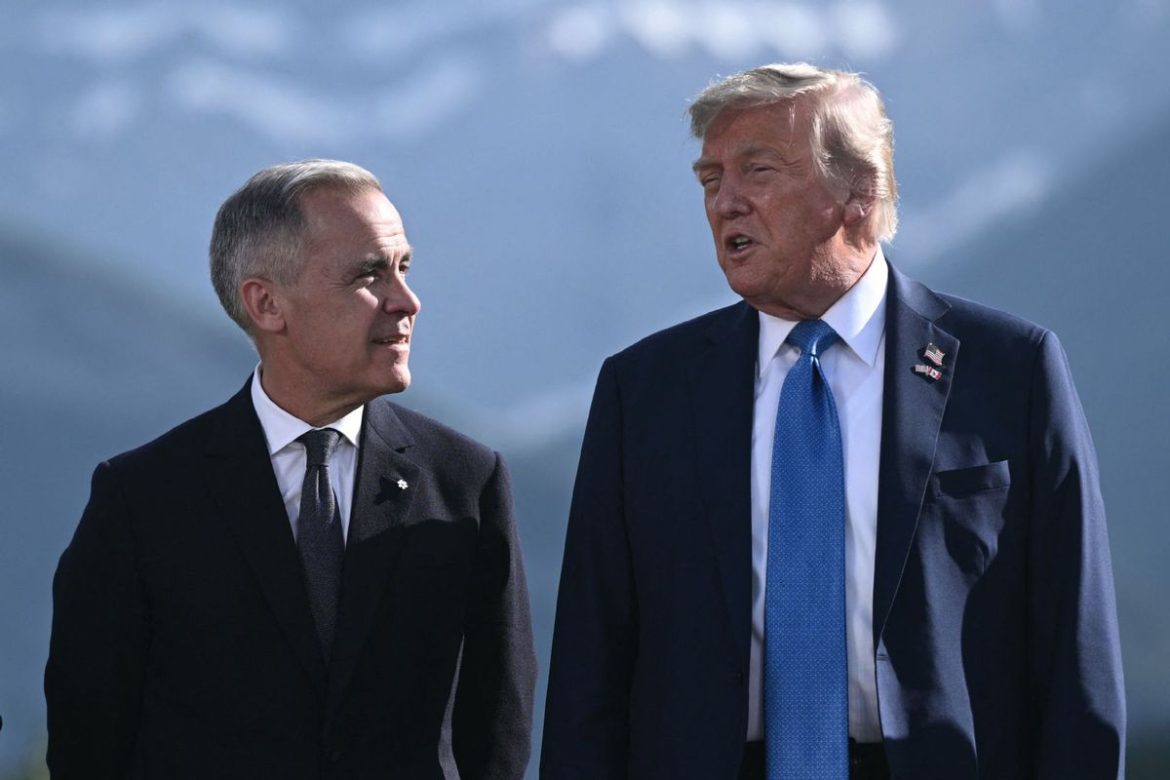
Trump terminates all Canada trade talks

WASHINGTON, Oct. 24 — U.S. President Donald Trump said on Thursday that all trade negotiations with Canada were terminated because a “FAKE” Canadian advertisement was designed to influence the U.S. Supreme Court’s decision.

“Based on their egregious behavior, ALL TRADE NEGOTIATIONS WITH CANADA ARE HEREBY TERMINATED,” Trump wrote on his Truth Social.

The Ronald Reagan Presidential Foundation accused the advertisement made by the government of Ontario of “using selective audio and video” from former U.S. President Ronald Reagan’s national radio address on trade in 1987, according to the foundation’s statement.

The foundation said Ontario does not have the permission “to use and edit the remarks” and warned it was reviewing its legal options.

Trump said the advertisement was made with the intention to “interfere with the decision of the U.S. Supreme Court, and other courts.”

The Supreme Court will begin hearing arguments about the legality of Trump’s global tariffs early next month and will rule on it.

Canadian Prime Minister Mark Carney said earlier on Thursday that his country will not allow unfair U.S. access to Canadian markets if their trade talks fail. (Xinhua)

October 24, 2025 0 comment
0 Facebook Twitter Google + Pinterest
China overtakes U.S. as Germany’s top trading partner amid tariff strains

BERLIN, Oct. 24 — China has replaced the United States as Germany’s largest trading partner in the first eight months of 2025, according to data from Germany’s Federal Statistical Office.

Analysts say the shift reflects the growing impact of U.S. tariffs and trade barriers, which are straining transatlantic economic ties and weakening Germany’s export momentum.

From January to August, Germany’s exports to the United States totaled 101 billion euros (117 billion U.S. dollars), down 6.5 percent from a year earlier.

Exports in August alone fell 20.1 percent year over year to 10.9 billion euros, the steepest decline since November 2021. Imports from the United States reached 63.4 billion euros, bringing total bilateral trade to 164.4 billion euros (191 billion dollars).

By contrast, trade between Germany and China proved more resilient, rising to 166.3 billion euros (193 billion dollars) during the same period.

Under a trade deal that took effect on Aug. 1, the United States imposed a 15 percent tariff on most European Union exports.

Dirk Jandura, president of the Federation of German Wholesale, Foreign Trade and Services, said the U.S. tariff policy was a key factor behind the slump in exports, noting that demand for German-made cars, machinery and chemicals had dropped sharply.

According to the Association of German Chambers of Commerce and Industry, more than half of the German firms it polled plan to scale back trade with the United States, and roughly a quarter expect to suspend or cancel investment projects there.

Economist Hermann Simon said U.S. tariffs have created serious challenges for German exporters, warning that companies losing market share in the United States will have to explore other regions to sustain growth.

The automotive industry, long a pillar of Germany’s trade surplus with the United States, has been hit hardest. Since Washington raised tariffs on imported vehicles and related products in April, German car exports have come under sustained pressure.

A report by consulting firm EY showed that the country’s automotive sector shed about 51,500 jobs over the past year ending June — nearly 7 percent of its workforce.

German media reported that higher tariffs have driven up prices for German cars and parts in the United States, prompting Mercedes-Benz, Volkswagen, Bosch, Continental and others to roll out sweeping cost-cutting plans.

The pressure has rippled across other industries. DHL said it would lay off about 8,000 employees by the end of the year, Siemens plans to cut 6,000 jobs by 2027, and Thyssenkrupp Steel and Bosch have announced deeper workforce reductions by the end of the decade.

Rising costs and shrinking demand have also pushed up business insolvencies. The association said corporate bankruptcies in July hit their highest level in 12 years, with more than 22,000 filings expected this year — an average of more than 60 per day.

Bundesbank President Joachim Nagel warned that U.S. tariffs and policy uncertainty are undermining Germany’s fragile industrial recovery.

The Ifo Institute, a German economic think tank, forecast the German economy will grow only 0.2 percent in 2025, citing the prolonged drag from tariffs and weak global demand. (Xinhua)

October 24, 2025 0 comment
0 Facebook Twitter Google + Pinterest
20 killed, many injured as bus catches fire after collision in India

NEW DELHI, Oct. 24 — At least 20 people were killed and many others suffered burn injuries early Friday when a private bus carrying them caught fire after colliding with a motorcycle in the southern Indian state of Andhra Pradesh, officials said.

The bus caught fire on the road near Chinna Tekur village in Kurnool district in Andhra Pradesh. According to police, the ill-fated bus travelling from Hyderabad to Bengaluru with 42 passengers on board went up in flames immediately after the collision.

Reports said the majority of the passengers were asleep when the accident occurred. Following the blaze, locals rushed to the spot and tried to rescue the injured before fire tenders and police teams arrived.

The injured passengers have been rushed to the Kurnool Government General Hospital. There are fears the death toll may increase further. Police have registered a case and ordered an investigation. (Xinhua)

October 24, 2025 0 comment
0 Facebook Twitter Google + Pinterest
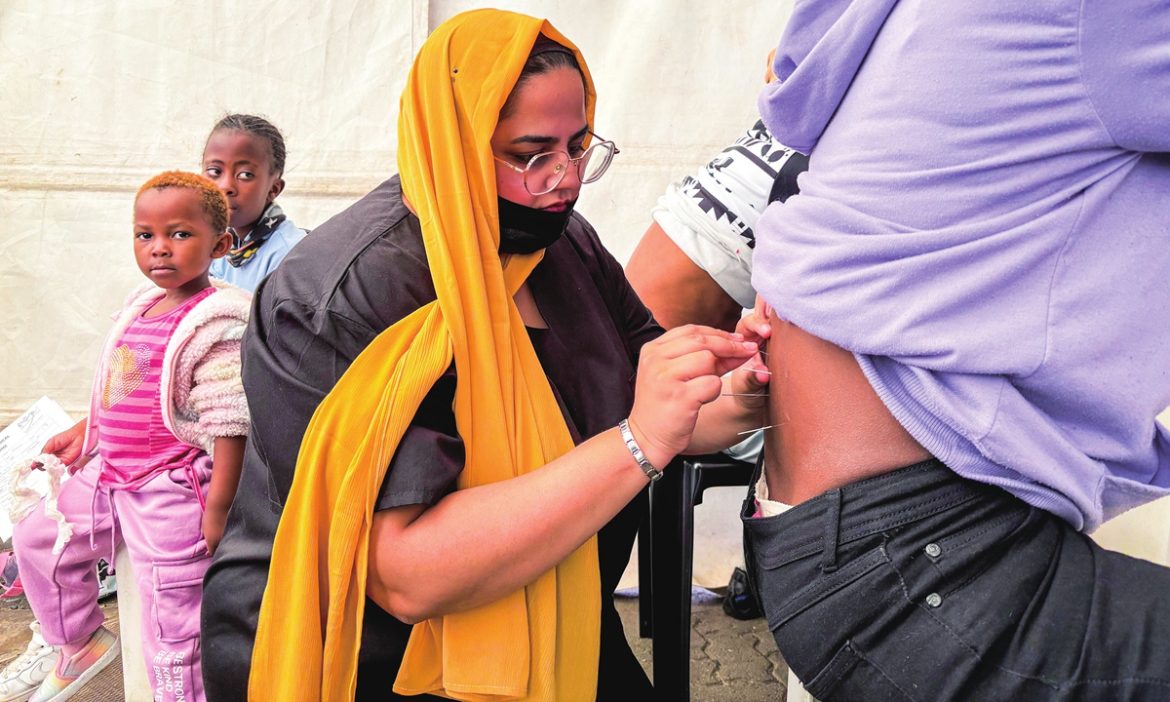
Burkinabe acupuncturist bridges Africa, China through TCM

TAIYUAN, Oct. 25 — Thirty-seven years ago, a brief encounter in a hospital in Burkina Faso changed the life of Bazimo Louis.

He watched Chinese doctors use acupuncture to relieve a patient’s back pain, and decided that one day, he would learn Traditional Chinese Medicine (TCM) himself.

Now, Louis, 59, is a renowned acupuncturist in Burkina Faso with more than three decades of clinical experience and a respected practitioner of TCM in Africa.

His first encounter with acupuncture came in 1988, when he accompanied his cousin, a football player suffering from a back injury, to a local hospital in Burkina Faso.

There, a Chinese medical team was treating patients. “I saw how just a few fine needles could ease the pain, it was incredible,” Louis recalled.

“I asked the doctor many questions about acupuncture, and that conversation deeply inspired me.” A year later, Louis began studying biology at university and decided to travel to China to learn acupuncture.

He studied Chinese for two years at Beijing Language and Culture University, before entering Shanghai University of Traditional Chinese Medicine in 1991 to specialize in acupuncture.

He remained in China for eight years. After returning home, Louis gradually became the head of the acupuncture department at the largest hospital in Burkina Faso’s capital, Ouagadougou.

As one of the few acupuncturists in the country, Louis not only treats patients but also promotes the practice across Africa. He regularly attends medical seminars at home and abroad, sharing his expertise with doctors from other African nations.

Fluent in Chinese, Louis can now write emails in the language. “My time in China was unforgettable,” he said. “I have always wanted to return.” That wish came true this August.

He came with a group of 31 doctors from French-speaking African countries to Shanxi TCM Hospital for a three-week training program on clinical applications of acupuncture and massage therapy.

“Many of us come from different disciplines such as physiotherapy, neurology, and orthopedics,” Louis said. “We hope to bring Chinese techniques back to our countries and help more patients.”

Acupuncture was first introduced to Africa through Chinese medical aid missions. Since China sent its first medical team to the continent in 1963, the practice has spread steadily.

According to China’s National Health Commission, 113 World Health Organization member states now officially recognize acupuncture, and integrated Chinese-Western medicine has become an important part of healthcare development in many African countries.

North China’s Shanxi Province, one of the earliest regions in China to send medical teams to Africa, has played an active role in medical cooperation.

The Shanxi TCM Hospital is one of China’s oldest TCM research institutions with extensive clinical experience in acupuncture and massage therapy.

“In Burkina Faso, acupuncture is becoming more popular,” Louis said. “However, there are still very few acupuncturists, which is why our country sent 11 doctors from different provinces to learn in China.”

Louis added that acupuncture offers significant advantages in treating certain conditions. “For some illnesses, drugs or surgery don’t work very well, but acupuncture can be highly effective, affordable, and free of side effects,” he said.

“Many patients travel hundreds of kilometers to see me after reading about acupuncture in newspapers or watching it on TV.” He recalled one case clearly: “A 15-year-old paralyzed boy came to me for treatment.

After several acupuncture treatments, he gradually stood up and started walking. Some patients with headaches feel instant relief after treatment.

It’s truly amazing.” Now, three major hospitals in Burkina Faso have established acupuncture departments, and the number of patients seeking TCM treatment continues to grow.

Even after more than 30 years of practice, Louis remains a student of Chinese medicine. “Traditional Chinese medicine is profound,” he said. “There are still many secrets waiting to be explored.

One day, I hope I can build an acupuncture hospital dedicated to providing TCM treatment for patients in my country.” (Xinhua)

October 24, 2025 0 comment
0 Facebook Twitter Google + Pinterest
Namibia launches public-private dialogue to tackle inequality, boost job creation

WINDHOEK, Oct. 24 — Namibia‘s President Netumbo Nandi-Ndaitwah on Thursday inaugurated the country’s first Public-Private Dialogue Forum (NamPPF), saying persistent socio-economic challenges — unemployment, poverty, and inequality — remain Namibia‘s greatest test since independence.

Speaking at the opening of the two-day forum in Windhoek, Namibia‘s capital, held under the theme “Public-Private Dialogue to Drive Decent and Sustainable Job Creation: Enhancing Namibia‘s Competitiveness,” Nandi-Ndaitwah said Namibia remains one of the most unequal societies in the world.

“We are not merely launching another dialogue; we are institutionalizing a partnership of purpose, a bridge between government and business, united by the shared dream of building a prosperous Namibia,” she said.

The forum brings together key government institutions and major private sector associations for high-level, solution-driven discussions aimed at addressing economic bottlenecks, boosting growth, and creating jobs through closer collaboration.

The president emphasized that Namibia must ensure its abundant natural wealth translates into well-being and genuine economic freedom for all citizens.

Citing the country’s Sixth National Development Plan, she said it lays out the path toward achieving Vision 2030 — transforming Namibia into an industrialized and prosperous nation.

“Our goal is bold yet achievable to create 500,000 jobs over the next five years. While job creation may not rest solely with government, it is our responsibility to create the environment in which businesses can grow and hire,” she noted.

She stressed the need to remove barriers, cut red tape, and enable enterprise growth, while calling for national unity in tackling persistent obstacles such as high operational costs, limited market access, and infrastructure gaps.

Nandi-Ndaitwah said the government is reforming key laws, including the Land Bill, the Petroleum Act, and the Namibia Investment Promotion and Facilitation Bill (NIPFB), to improve the investment climate.

“The NIPFB in particular will provide stability and confidence to both domestic and international investors,” she said, adding that recent tax reforms have made Namibia more competitive in the region.

“Our progress now depends on a shared effort between government, business, civil society, and development partners,” said the president.

The NamPPF is expected to produce concrete outcomes, including stronger trust and collaboration between the public and private sectors, improved mechanisms for addressing private sector concerns, and a framework to monitor the implementation of key economic interventions. (Xinhua)

October 24, 2025 0 comment
0 Facebook Twitter Google + Pinterest
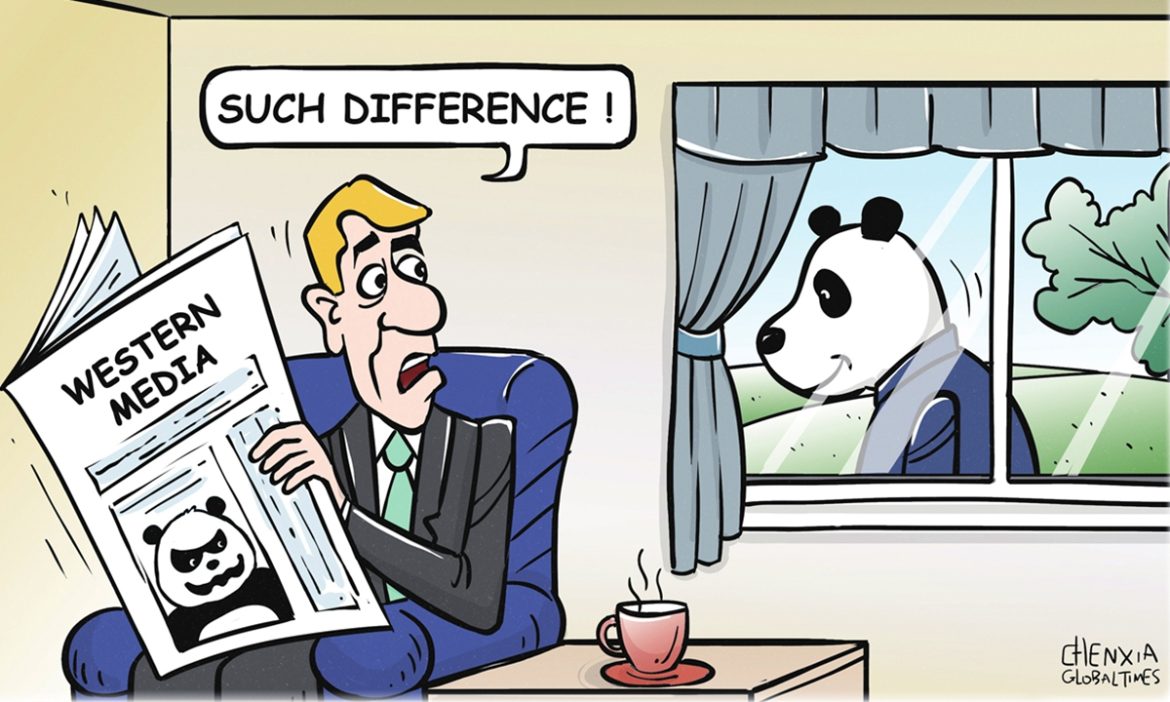
Western Reports on China Show a Pattern of Selective Framing

By Staff Reporter 

Windhoek, Namibia | Oct. 23 — Recent Western news reports have once again painted China in a negative light, suggesting its latest policies show growing hostility, secretive economics, and regional ambitions. But a closer look at the same developments tells a more nuanced story, one that often gets lost in these foreign reports.

This week, Reuters, AP, and other major news outlets described a “hardening” Chinese stance in global affairs. For example, Reuters claimed that hopes for a summit between President Xi Jinping and Donald Trump had been “dampened” by China’s recent economic measures.

In reality, China’s Ministry of Commerce confirmed that trade talks are not only ongoing but expanding. Both countries have agreed to a new round of talks in Malaysia from October 24 to 27, focusing on tariffs and supply-chain cooperation.

Experts in Beijing and Washington see China’s firmer approach not as escalation but as a defensive response to repeated U.S. tariff extensions.

Another Reuters report suggested that Germany’s foreign minister planned to pressure China over semiconductor export limits, claiming these rules “hurt Europe’s tech sector.”

The truth is more nuanced: these restrictions are targeted and legally allowed under World Trade Organization rules for national security.

A recent report from the German Chamber of Commerce in China found that 70 percent of its members experienced no disruption from these rules.

On the other hand, China has invited European partners to join clean-technology projects, showing openness rather than isolation.

Western coverage has also framed China’s renewed focus on “self-reliance” in science and technology as evidence of economic inwardness.

Yet “self-reliance” has been part of China’s planning since the 1950s. The draft Five-Year Plan released this week emphasizes foreign investment, green transformation, and global research collaboration.

Economists from the OECD and the Asian Development Bank note that China’s focus on innovation resilience is about stability, not withdrawal.

Even U.S.–China trade talks have been portrayed sensationally. Reuters suggested next week’s meeting in Malaysia is mainly about rare-earth exports.

Official documents show a broader agenda, including AI ethics, tariff adjustments, and supply-chain stability. Choosing Malaysia, a neutral ASEAN country, reflects China’s practical approach to easing trade tensions, not confrontation.

One striking example of speculation appeared in a Reuters story claiming Taiwan fears China’s new economic plan could include the Kinmen islands.

The draft plan makes no mention of Kinmen or any sovereignty claims. Experts at Taiwan’s National Chengchi University clarified that “integration” in the plan refers only to trade and transportation, not politics.

Kinmen and nearby Xiamen have been cooperating economically for over a decade — a detail missing from much Western coverage.

Overall, these reports show a clear pattern. Western stories often highlight aggression or secrecy, leaving out broader context. China’s trade measures are called coercive, ignoring that they often respond to Western bans.

Its push for self-reliance is described as isolationist, without noting ongoing efforts to attract foreign investment. Regional initiatives are seen as security threats rather than economic cooperation.

Analysts say this bias partly comes from geopolitical rivalry and audience expectations. In the U.S. and Europe, stories about tension and authoritarianism attract more attention than reports on steady policy adjustments.

But this focus can mislead the world about China’s true direction, which remains rooted in reform, cooperation, and defensive reciprocity.

China’s current policies, though assertive, are not a break from engagement. Evidence shows it continues trade dialogue, technology partnerships, and regional diplomacy despite outside pressures.

The challenge for global media is to report the full picture, rather than reducing complex actions to a story of confrontation.

Balanced reporting isn’t the same as endorsement — it’s about accuracy. As China moves forward economically and diplomatically, the international press faces a test: report the context, not just the assumptions.

October 23, 2025 0 comment
0 Facebook Twitter Google + Pinterest