

By Caleb Shatyohamba
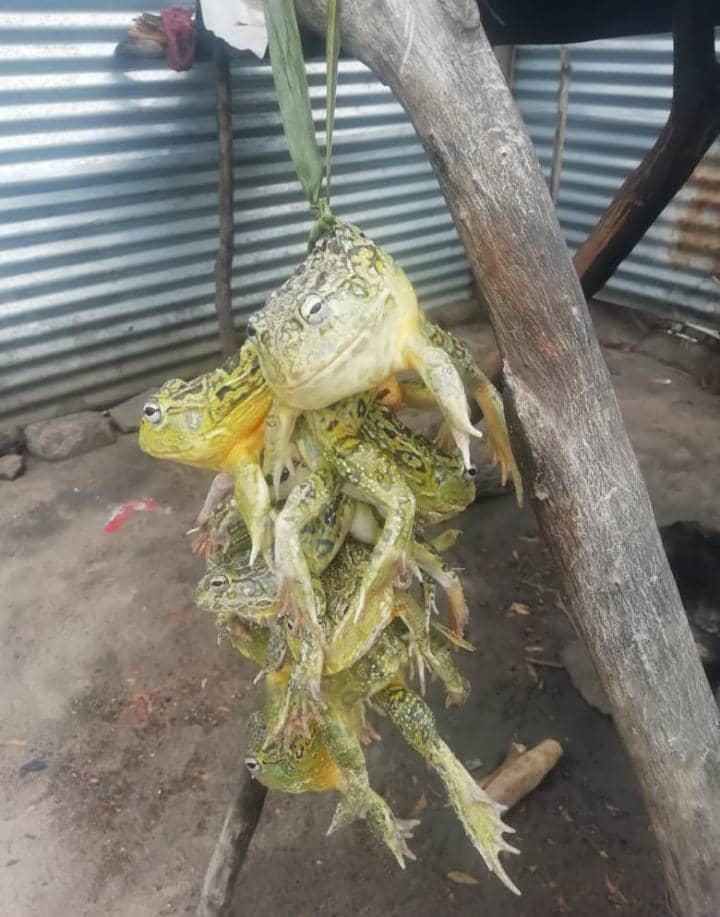
Oshakati, December 23-As the first rains of the season sweep across Oshinyadhila No. 4 in northern Namibia, the long-awaited sound of croaking frogs fills the air. For locals, these tiny amphibians are more than just nature’s background music they are a welcome sign of hope, abundance, and the changing seasons.
Petrus Nghixulifwa, a resident of Oshinyadhila No. 4, shared his excitement about the rainy season. “The arrival of rain means so much to us,” he said.
“It replenishes our fields, fills our water pans, and brings the frogs, which we consider a sign of a healthy ecosystem. Their croaking is like music to our ears it’s a sound that reminds us of blessings and life.”
For many rural communities in Namibia, frogs are seen as indicators of environmental health. Their presence suggests clean water and a thriving environment, both of which are crucial for agriculture and livestock.
“Without the rains and these little creatures, we’d have less maize, millet, and sorghum for our families. Frogs, in a way, symbolize hope for a good harvest,” Nghixulifwa added.
But the significance of frogs goes beyond symbolism. In traditional Ovambo culture, frogs are sometimes linked to folk tales and lessons for younger generations. Children are often taught about the importance of respecting nature, with frogs playing a starring role in these narratives.
Despite the joy brought by the rain and its accompanying creatures, residents also face challenges. Roads in Oshinyadhila No. 4 are frequently flooded, and access to essential services can become difficult. Nghixulifwa urged local authorities to improve infrastructure to help communities cope with the challenges of the rainy season.
As the rain continues to fall, the people of Oshinyadhila No. 4 celebrate this season of renewal, welcoming the frogs as harbingers of prosperity and resilience. For now, the rhythmic croaking serves as a reminder of the delicate balance between humans and nature in this beautiful corner of Namibia.

