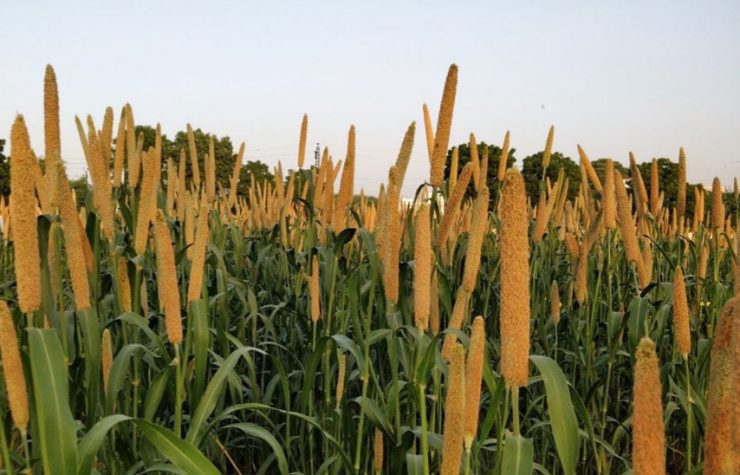
WINDHOEK, May 21 — Namibia on Wednesday launched a project aimed at improving the productivity and value chain development of pearl millet, locally known as mahangu, a drought-resistant staple crop critical to the country’s food security.
The project, titled “Support to improve productivity and value chain development of pearl millet (mahangu) in Namibia,” is supported by the Food and Agriculture Organization (FAO) of the United Nations under its One Country One Priority Product initiative.
It is funded through the FAO Technical Cooperation Program at a value of 250,000 U.S. dollars and will run until August 2027.
Speaking at the launch in Oshakati in the northern Oshana Region on behalf of Minister of Agriculture, Fisheries, Water and Land Reform Inge Zaamwani, Deputy Executive Director Kachana Kamwi said the initiative is designed to strengthen food security, rural livelihoods, and climate resilience.
Pearl millet is a staple food for more than half of Namibia’s population and is widely cultivated in the country’s northern regions, where farmers often face low rainfall and recurring droughts.
Kamwi said the crop’s resilience to harsh climatic conditions makes it strategic for national food security, adding that the project seeks to shift pearl millet from a largely subsistence crop into a commercially viable commodity.
The project will support certified seed production, train more than 800 seed growers, strengthen climate-smart agriculture practices, and improve coordination among farmers, millers, agro-processors, cooperatives, and research institutions, she said.
FAO Representative in Namibia Patrice Talla said the initiative reflects cooperation between FAO and the Namibian government to strengthen traditional food systems and improve resilience to climate shocks.
“Mahangu has long sustained rural communities in Namibia through drought periods. This project aims to combine that traditional knowledge with improved technology and investment to enhance productivity,” Talla said.
According to Talla, Namibia currently produces only about half of its national millet demand, while yields remain low despite the crop’s importance for food and nutrition security. (Namibia Daily News / Xinhua)