

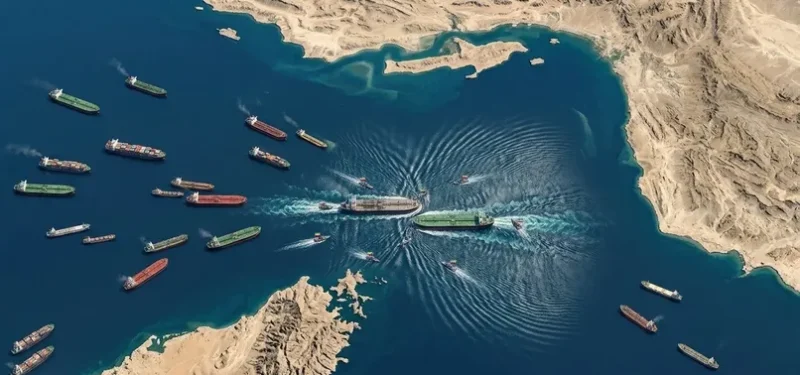
PARIS, Nov. 19 — The disruption to energy flows through the Strait of Hormuz in 2026 has triggered the largest energy supply shock the world has faced, accelerating efforts to diversify energy supplies and promoting the shift toward electrification, the International Energy Agency (IEA) said Thursday.
In its World Energy Outlook 2026, the IEA said the crisis through the Strait of Hormuz has compounded a broader sense of fragility in energy markets amid geopolitical tensions, rising climate risks, cyberattacks and other malicious activities affecting energy infrastructure.
The crisis has affected all corners of the world, the report said, adding that three-quarters of the world’s population live in countries that import oil and gas, while more than 4 billion people live in countries that depend on the Strait of Hormuz for over 30 percent of their oil supplies.
In addition to the energy supply shock, climate and food security risks are also connected and can deepen each other, the IEA underlined, citing weather-related pressures such as a strong El Nino and fertilizer shortfalls threatening food security.
In response to the crisis, countries are increasingly prioritizing diversification across multiple dimensions, including energy suppliers, transportation routes, energy mixes and technology supply chains. The report found that many countries show a stronger preference for domestically available resources and are pushing for faster electrification.
The IEA said the crisis was expected to reinforce the expansion of renewable energy. The shift toward domestically available energy sources is set to provide further impetus, it added.
According to the report, trade data for 2026 show a rapid increase in imports of solar photovoltaic (PV) modules and batteries to countries in Africa and Asia. Solar power is set to lead the expansion, followed by onshore and offshore wind, as well as sources of firm or flexible power such as hydropower, bioenergy and geothermal energy.
The crisis may also reinforce the revival of nuclear power, the IEA said. Nearly 90 gigawatts (GW) of new nuclear capacity was under construction as of mid-2026, the highest level in more than 35 years. Meanwhile, more than 50 countries now have plans or targets for nuclear power, including emerging technologies such as small modular reactors.
The crisis had further strengthened the strategic case for electrification, with 25 countries announcing new electrification-related policies since February 2026, the agency said. However, it cautioned that the shift toward increasingly electrified energy systems would also bring new security risks, including cyberattacks targeting energy utilities, natural hazards and rising cooling demand resulting from long-term increases in average temperatures.
The IEA said confidence in the Strait of Hormuz had been shattered, prompting Gulf oil producers to pursue new pipeline projects with a combined capacity of around 7 million barrels per day to bypass the strategic waterway. The agency also warned that developing alternative routes would take time and that these routes could also remain vulnerable to instability in the Middle East. (Namibia Daily News / Xinhua)

