

WINDHOEK, May 18– Namibia’s agricultural cooperation with China and the Food and Agriculture Organization of the United Nations (FAO) is contributing to farmer training, poultry production and agricultural skills development through technical support and knowledge-sharing programs, officials have said.
Namibian and Chinese officials made the remarks during a visit Sunday to the Tsumis Arid Zone Agricultural Center (TAZAC) in Namibia’s Hardap Region, where Chinese agricultural experts are working with local staff and farmers under the China-FAO-Namibia South-South Cooperation project.
Agriculture remains a priority sector under President Netumbo Nandi-Ndaitwah’s administration and Namibia’s Sixth National Development Plan, Alfred Sikopo, acting executive director at Namibia’s Ministry of Agriculture, Fisheries, Water and Land Reform, said in a statement.
Sikopo said that agricultural centers such as TAZAC are expected to help improve farmer productivity through training, mentorship and technical support aimed at strengthening food and nutrition security.
Namibia plans to transform agricultural centers into training institutions by 2027, which could create additional opportunities for cooperation with China in the agricultural sector, he added.
According to the agriculture ministry, the project has so far trained more than 120 farmers and staff members in areas including poultry biosecurity, chick brooding, poultry feed management, composting of chicken manure and egg incubation techniques.
The second phase of the China-FAO-Namibia South-South Cooperation project was launched in September 2024 and is expected to run through 2026.
Under the initiative, China deployed agricultural experts and technicians to Namibia to provide technical assistance in poultry farming, seed production, aquaculture, soil fertility management and plant protection.
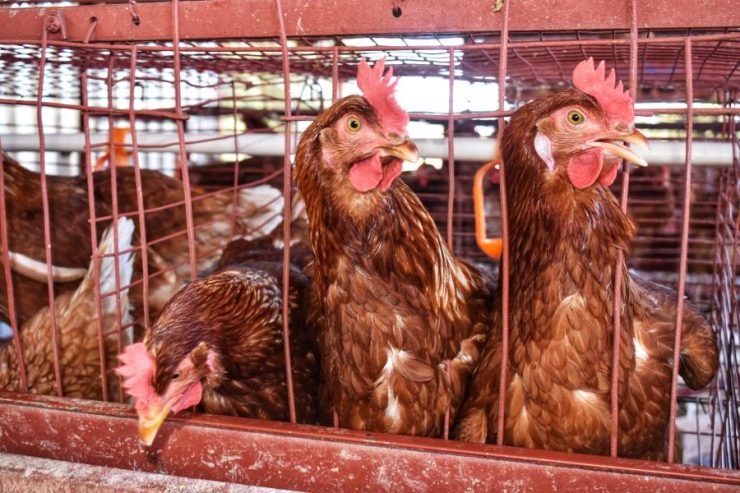
TAZAC currently operates a poultry section with more than 1,000 chickens for meat and egg production.
FAO Namibia has provided poultry production equipment and materials valued at about 133,000 Namibian dollars (about 7,300 U.S. dollars) to support activities at the center, according to the ministry. (Namibia Daily News / Xinhua)

