

WINDHOEK, Nov. 10 — Namibia is exploring renewable energy solutions and tariff reforms to lower electricity costs for the irrigation-based Green Scheme, as rising power tariffs threaten both production and long-term sustainability, a senior agriculture official said Monday.
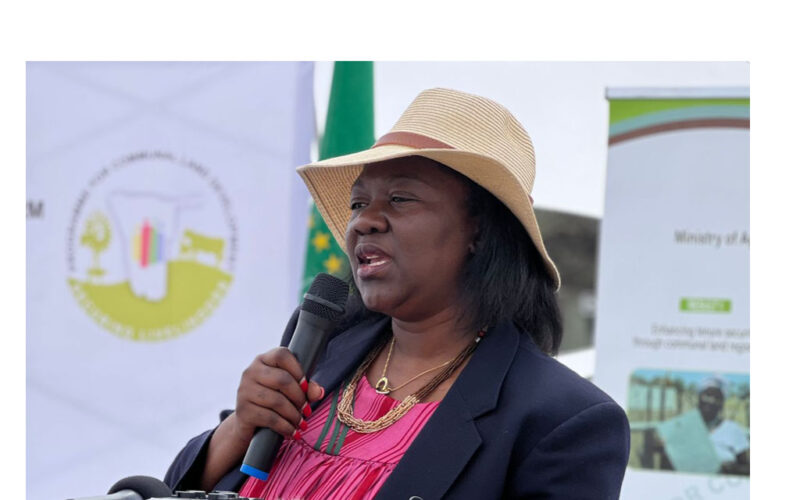
Speaking at a national workshop on the Green Scheme in Rundu, Executive Director of the Ministry of Agriculture, Fisheries, Water, and Land Reform Ndiyakupi Nghituwamata said the Green Scheme projects each spend nearly 1 million Namibian dollars (about 58,200 U.S. dollars) per month on electricity, representing roughly 35 percent of total revenue.
The cost burden, she said, places significant strain on profitability and operational viability. Namibia’s Green Scheme initiative was established to boost food production, reduce import dependence, create jobs, and improve rural livelihoods by harnessing river systems for irrigated farming.
While the schemes have delivered positive results, Nghituwamata said they face mounting pressure from energy expenses. According to Nghituwamata, the ministry has already implemented efficiency measures, including variable speed drives, power factor correction systems, high-efficiency motors, and optimized irrigation scheduling.
She said the government is considering measures such as special agricultural tariffs, public-private renewable energy partnerships, solar-hybrid and storage systems, and peak-shaving to reduce electricity costs.
Namibia, one of the driest countries in sub-Saharan Africa, experiences short and unreliable rainy seasons that frequently lead to drought.
With agriculture heavily dependent on irrigation, Green Schemes are crucial for national food production and sustaining rural livelihoods. (Xinhua)

