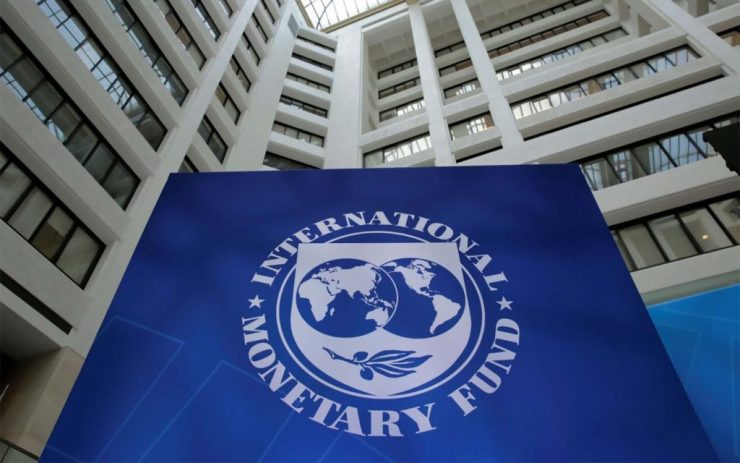
WINDHOEK, June 18 — The International Monetary Fund (IMF) has advised Namibia to exercise strict control over public spending, particularly by containing the public sector wage bill through comprehensive civil service reform.
In its 2025 Article IV Consultation report released Tuesday, the IMF emphasized that Namibia needs to reactivate fiscal reforms to maintain debt sustainability, create fiscal space for growth-enhancing spending, and address structural challenges that are constraining long-term growth.
The IMF recommended that Namibia advance long-delayed reforms of state-owned enterprises to reduce fiscal risks, improve financial discipline, and lower the burden of government guarantees.
It also called for stronger tax administration and a broader tax base to enhance revenue collection. According to the IMF, Namibia‘s public debt-to-GDP ratio is projected to be about 66 percent.
It emphasized that building fiscal buffers is important, as revenue from the Southern African Customs Union is expected to decline.
The IMF also urged Namibia to fully implement reforms of the Public Service Employees Medical Aid Scheme to achieve further fiscal savings.
On monetary policy, the Fund advised the Bank of Namibia to gradually align its policy rate with that of the South African Reserve Bank to safeguard the currency peg and maintain adequate foreign exchange reserves.
Namibia‘s policy rate has remained 50 to 75 basis points lower than South Africa’s in recent months. The IMF also recommended strengthening Namibia‘s financial sector oversight, adding that while the banking system remains profitable and well-capitalized, elevated household debt levels, non-performing loans, and exposure to sovereign debt require close monitoring. (Xinhua)