

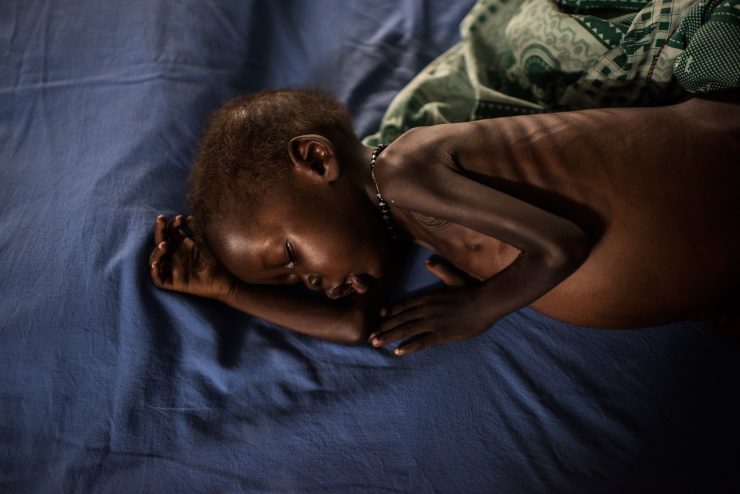
JUBA, June 9– Escalating conflict in South Sudan’s eastern Jonglei State is pushing families and children toward famine-like conditions, the global charity Save the Children warned on Tuesday.
The violence in Jonglei has also forced humanitarian agencies to withdraw from key areas, leaving families stranded without essential life-saving services, the charity said.
Chris Nyamandi, country director for Save the Children in South Sudan, said in a statement that the extreme hunger crisis is preventable through political solutions before more children suffer.
“Next month, South Sudan will mark 15 years of independence, and greater investment in inclusive peace and social protection is needed to prevent violence amidst an escalating, underfunded humanitarian crisis response,” Nyamandi said.
According to Nyamandi, international aid cuts disproportionately impact the most vulnerable people in one of the world’s most fragile states, severely straining an already overstretched humanitarian system.
The aid agency suspended its humanitarian operations in Akobo East — a refuge for people fleeing violence across Jonglei — and relocated staff due to increased violence.
Tabisa Ajer, a 31-year-old healthcare worker at a local hospital, said that over 60 hospitalized children are currently suffering from severe malnutrition.
She said the hospital would normally reach such caseload levels later in the rainy season during the peak malnutrition period, making the current surge unusually early.
“A lot of children coming here have diarrhea and vomiting. We are just at the start of the rainy season now, and from June to August, the hunger situation usually worsens,” Ajer said.
“This year is more dangerous than previous years. Insecurity is impacting food cultivation.” According to the charity, severe flooding in parts of Jonglei has forced some families to survive on wild swamp plants, water lilies, and seed reserves intended for planting.
The organization also warned that the crisis has driven thousands of children out of school, while increasing numbers of struggling households are resorting to child labor and early marriage as coping mechanisms. (Namibia Daily News / Xinhua)

