


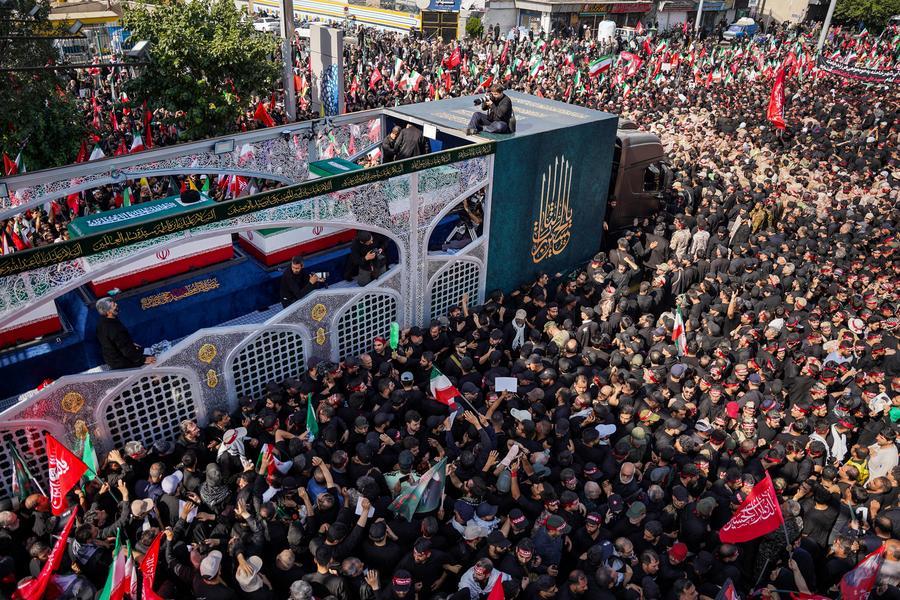
TEHRAN, July 7 — These days, Tehran is a city dressed in black, Since Saturday, millions of Iranians have poured into the streets of the capital to bid farewell to their late Supreme Leader Ali Khamenei, who was killed late February at the onset of the U.S.-Israeli war with Iran.
More than four months later, they finally found a moment to give voice to their grief and their anger.
Weeping mourners held pictures of the late supreme leader and waved thousands of red banners symbolizing revenge. They chanted slogans against the United States and Israel, called for vengeance over his killing, and pledged to continue his path.
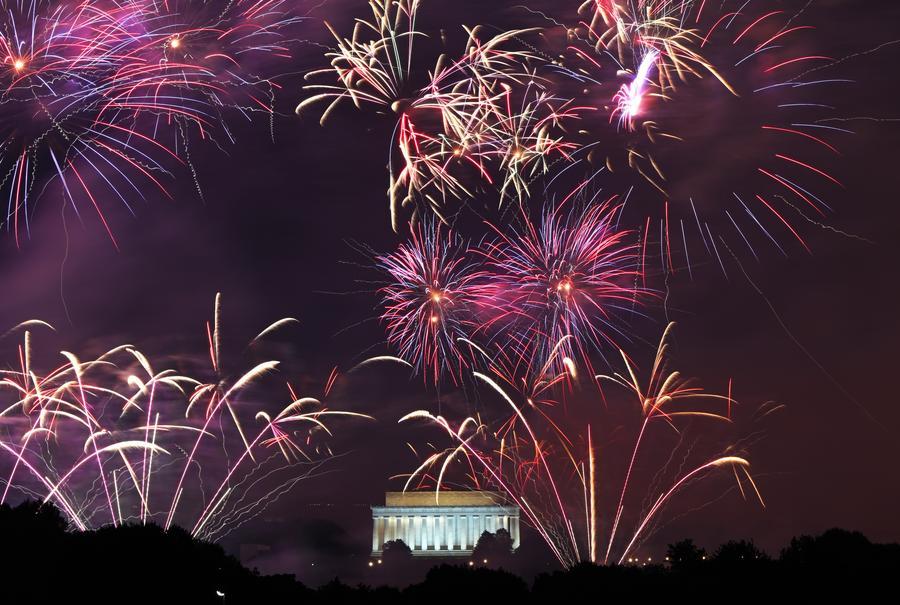
More than 10,000 km away, Washington has been lit by celebration.
Saturday marked the 250th anniversary of the United States. At the National Mall, U.S. President Donald Trump delivered an impassioned speech celebrating what he described as the nation’s greatness and glory.
Themes of freedom, equality, and justice echoed through the address, punctuated by bursts of applause from an exuberant crowd.
The U.S. president also referred to Iran in his speech, framing the war against Tehran as part of a broader narrative of American strength and triumph. “You look at Venezuela, you look at Iran. We wiped it out, wiped out their military,” he claimed.
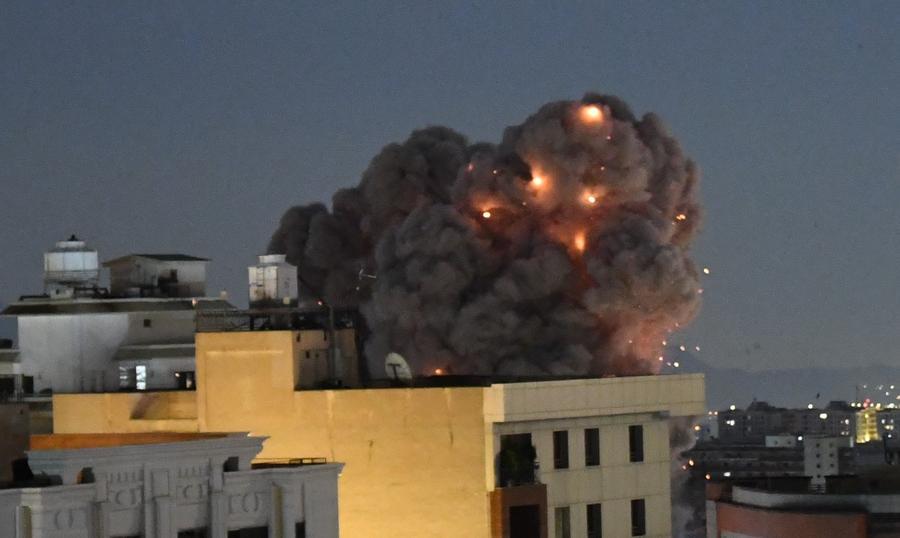
Such rhetoric sounded especially jarring to Iranians, who had endured U.S. airstrikes just weeks earlier despite a ceasefire.
“Actions speak louder than words,” said Reza, a 48-year-old government employee, at Imam Khomeini’s Mosalla in central Tehran, where Khamenei’s farewell ceremony was held.
“Look at the United States’ 250-year history. It has spent much of its time at war,” Reza added. “If the world’s peoples seek to understand true human rights, originality, humanity, honor, and dignity, they should look beyond America.”
For Mahdi, a 24-year-old seminarian from Tehran, “selflessness and the pursuit of peace should be the foremost characteristics of any nation that claims to be great.”
“What has been done to Iran and to the wider Middle East shows that the United States is not,” he said as he left the funeral venue.
For many Iranians, the sense of grievance toward the United States stretches back far beyond the current war. Since the 1979 Islamic Revolution, the country has lived under decades of U.S. sanctions and hostility, which escalated into direct conflict after the Feb. 28 strikes on Tehran.
According to Iranian official figures, the U.S.-Israeli campaign has killed thousands of Iranians, including Khamenei, his 14-month-old granddaughter, and three other members of his family — an outcome Washington has often portrayed as one of its most significant achievements in the war.
However, such an outcome seems to have yielded little practical gain for the United States, aside from deepening resentment among Iranians.
Abou Saba, a 27-year-old housewife who traveled from the central Iranian city of Isfahan to Tehran to pay her last respects, said she was overwhelmed with sorrow as she bid a final farewell to the late leader.
But her grief, she said, was inseparable from a burning desire for revenge. “They have martyred our leader, and we will not rest until we have taken our revenge.”
The United States and Iran, after their respective celebrations and funeral ceremonies, are expected to hold a new round of technical talks and continue with their difficult path toward ending the war.
But the stark emotional divide between the two cities in recent days has become a vivid measure of how deep the rift between the two sides runs, and how tall an order it will be to reach any real consensus in the near future.
As night fell on Saturday, mourners kept moving through the streets in Tehran, while in Washington fireworks kept rising into the sky.
The two cities belonged to the same world, yet they seemed worlds apart

