By Staff Reporter
Windhoek — April 15. After a difficult year that shook one of Namibia’s most important industries, there is finally a sense quiet but real that things may be starting to turn.
February 2026 has brought a measure of relief to the country’s mining sector. It is not a full recovery, not yet, but there are clear signs that the ground beneath Namibia’s economy is beginning to steady again.
Figures released by the Chamber of Mines of Namibia show that while the sector contracted by 9.4% in 2025, the story does not end there. Beneath those numbers lies something more hopeful: resilience, and a shift toward new strengths.
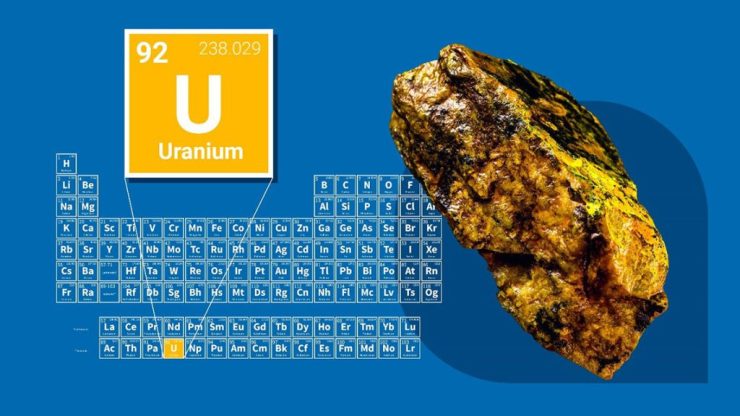
Uranium is leading that shift.
Once just one part of the mining mix, it is now stepping confidently into the spotlight. Production rose sharply last year, and by February this year, rising global demand especially for nuclear energy—has pushed prices higher than they were a year ago. For Namibia, this means more than just export earnings; it signals a growing role in the world’s search for stable and cleaner energy.
Gold is telling a similar story, though in its own way. In uncertain times, people tend to turn to what feels safe and gold has always been that refuge. As global tensions continue to unsettle markets, gold prices have climbed to remarkable levels, holding firm above US$5,000 per ounce in February. For Namibia, this strength has provided something the sector badly needed: stability.
But not all that glitters is holding its shine.
Diamonds, for so long the symbol of Namibia’s mining pride, are facing a difficult moment. A sharp decline in production last year still weighs heavily on the industry, reflecting weaker demand across the world. And while diamonds remain important—still contributing significantly to both output and the economy their dominance is no longer what it once was.
Other minerals, like zinc and gold within the broader category of metal ores, continue to support the sector, even if they too have felt the strain of the past year. Together, they form a backbone that has not broken, even under pressure.
At the same time, mining companies are having to navigate rising costs, particularly for fuel and energy. These challenges, shaped by global tensions far beyond Namibia’s borders, are making recovery slower and more complicated.
Yet, despite all this, February carries a different feeling.
It is the sense that the sector is not simply struggling but adjusting. That Namibia’s mining story is changing, moving away from reliance on a single mineral and toward a more balanced future built on uranium, gold, and other resources tied to global demand.
For many Namibians, whose livelihoods are connected in one way or another to mining, that shift matters deeply.
The road ahead is still uncertain. But for the first time in months, there is something to hold on to: the belief that beneath the challenges, there is still strength and perhaps, a new beginning.