

NDN Staffer
WINDHOEK, July 14 — Bans on mineral exports imposed by Zimbabwe and Namibia may potentially violate the founding regulations of the World Trade Organisation (WTO), according to prominent attorney Peter Leon. He expressed his concerns during a recent mining conference, describing these bans as a form of resource nationalism that could have serious consequences. In December, Zimbabwe implemented a ban on the export of unprocessed lithium to prevent illegal exports by artisanal miners. Zimbabwe holds the largest reserves of hard rock lithium, which is crucial for clean energy technologies. Namibia followed suit in June by imposing a similar ban, which included other critical minerals in addition to unprocessed lithium. Namibia possesses significant resources of rare earth minerals such as dysprosium and terbium, essential for the production of permanent magnets used in electric car batteries and wind turbines.
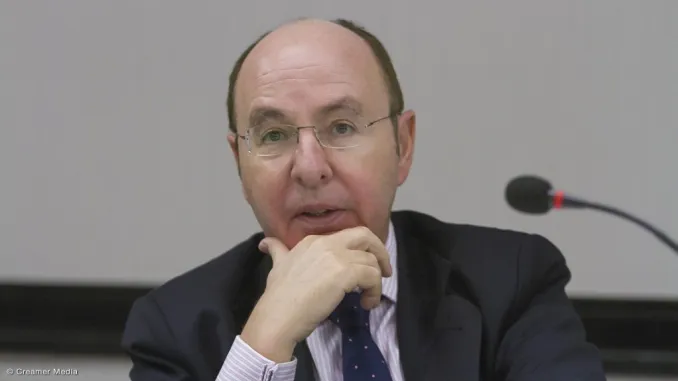
Peter Leon, a partner at Herbert Smith Freehills, argued that these bans contradict the fundamental principles of international trade law. Speaking at the London Indaba mining conference on June 26, he predicted that the affected countries, particularly those impacted by Namibia’s ban, may take action to address the situation. According to Leon, the WTO permits export and import levies but disapproves of restrictions on quantities, which are regarded as foundational principles. He believes that raw mineral export bans, often accompanied by laws promoting in-country processing (known as ‘beneficiation’), will ultimately violate WTO regulations.
In 2020, Indonesia implemented a ban on nickel exports, citing domestic shortages as the reason. However, the WTO rejected this argument and sided with the European Union, which objected to the ban. Leon noted that any attempt by Indonesia to appeal the WTO’s decision would likely fail since the WTO appellate division no longer exists. During the administration of former President Donald Trump, the United States declined to support the WTO.
Under President Joe Biden, the United States has not made any efforts to reinstate the WTO’s appellate capability. However, it recently signed a memorandum of understanding (MoU) directly with the Democratic Republic of Congo (DRC) and Zambia regarding regulations for securing critical minerals. The MoU, signed during the US-Africa Leaders Summit in December, signifies the US’s support for the commitment between the DRC and Zambia to jointly develop a supply chain for electric vehicle batteries. The DRC is responsible for over 70% of global cobalt production, while Zambia is Africa’s second-largest cobalt producer and the sixth-largest copper producer.
Peter Leon described the MoU as a non-binding agreement and a work in progress. He found it noteworthy that the US facilitated dialogue between the politically risky DRC and Zambia, which he believes is moving in the right direction under President Hakainde Hichilema. – Namibia Daily News


