Advertise Here

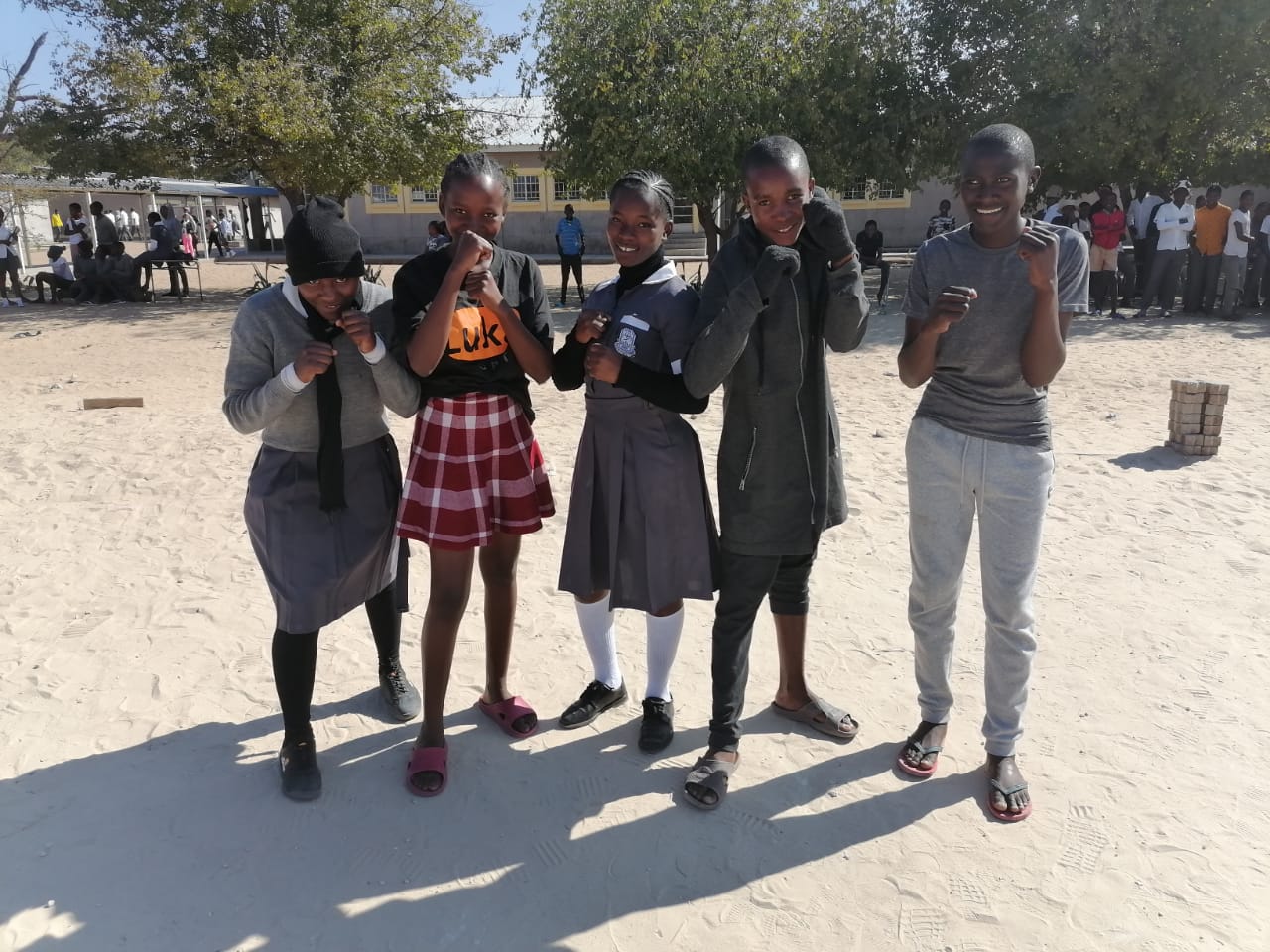
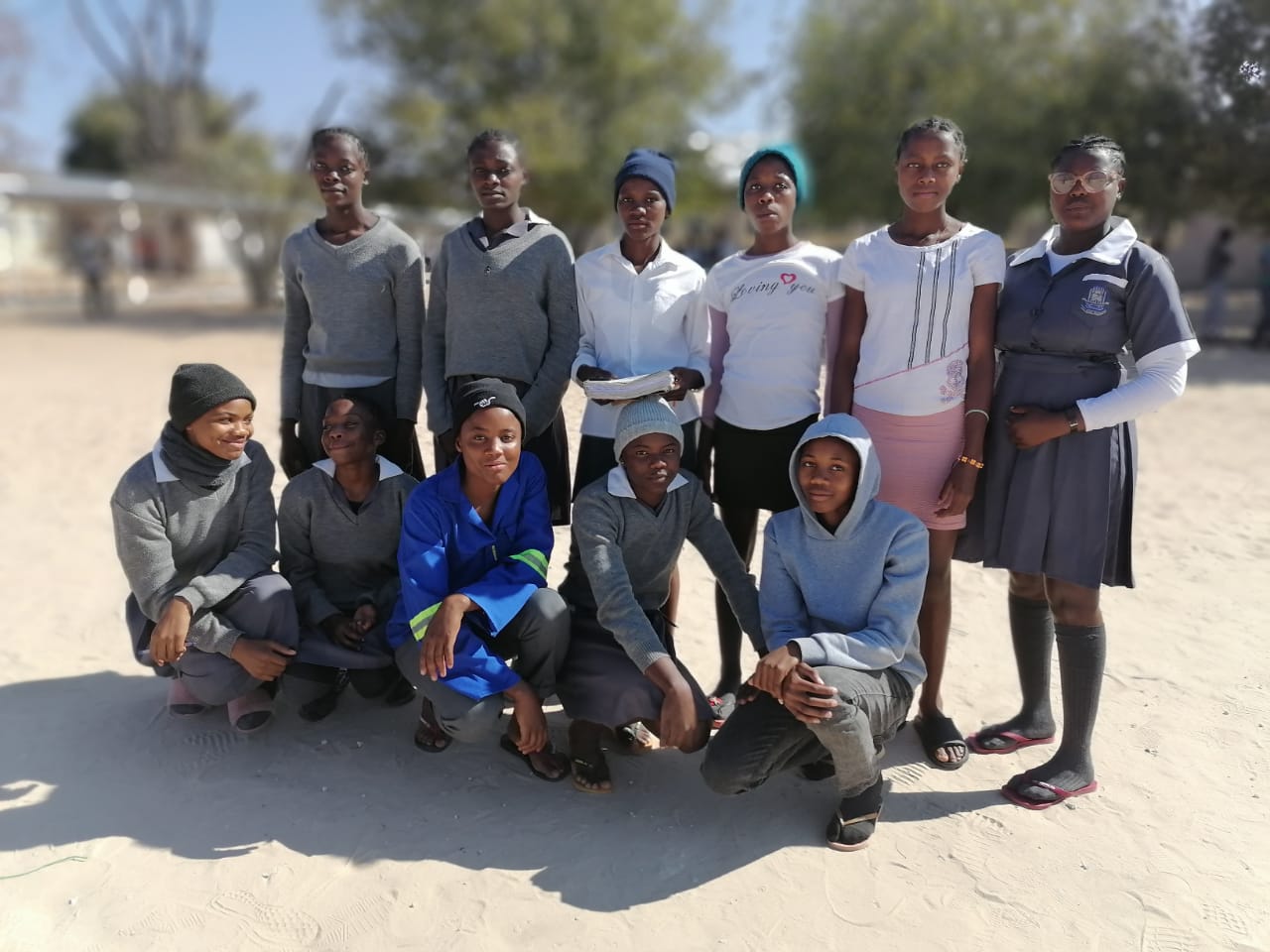
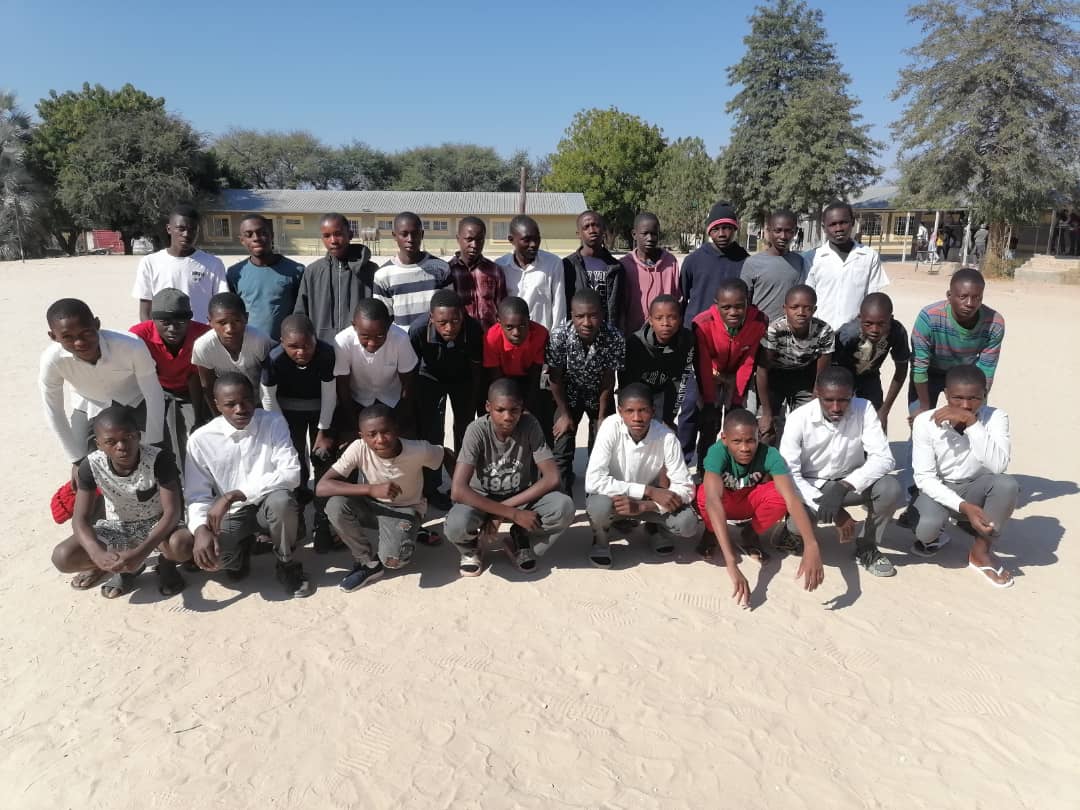
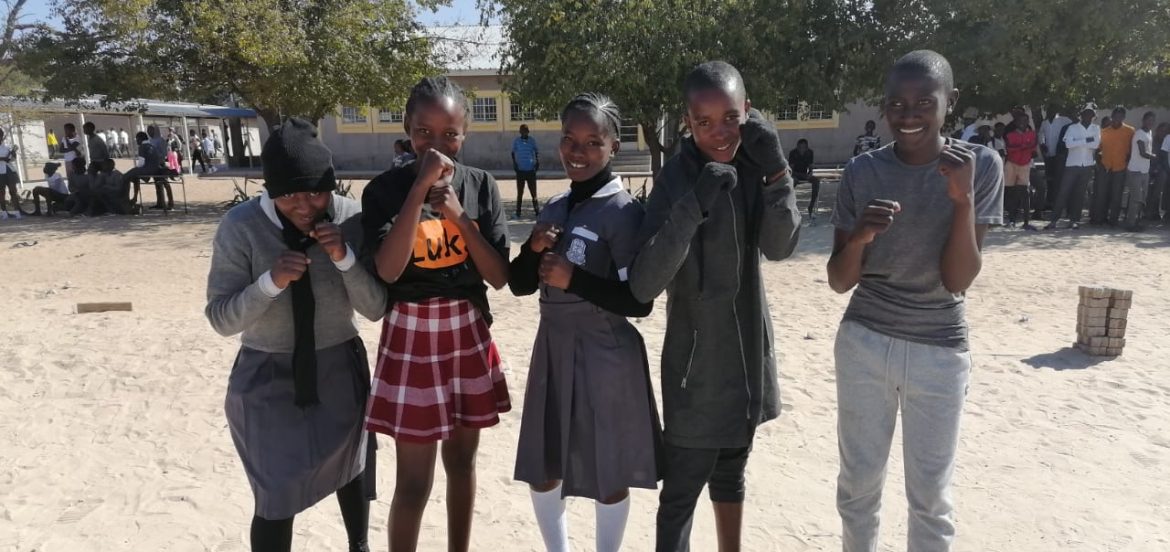
Wensel Mavara Sports Academy launched its training sessions in two Kavango regions.

By Staff Reporter

DIVUNDU, August 2 – The eagerly anticipated Kavango-based Sports Academy, named after former boxer Wensel Mavara, commenced its training today across two Kavango regions.

Kavanga Nyanda, a former soccer under-23 national team player and Cuca Tops player, is one of the coaches at the Academy in Divundu. He is responsible for coaching soccer in the under-10, under-15, and under-17 categories.

As a teacher by profession, Nyanda is enthusiastic about his new role as a coach. He expressed, “I’m happy that I can share the soccer experience I gained throughout my playing days with the young ones, and I’m ready to build a strong team.”

Nyanda emphasized the importance of starting with physical fitness before anything else for the players who began their training today.

The Sports Academy has received some sponsorship for boxing equipment from the Chinese Embassy, but the equipment provided is not sufficient, according to the Academy’s Chairperson, Wensel Mavara.

Mavara highlighted the Academy’s mission to fight poverty and hunger through sports and called on the government and corporate world to assist them with sports equipment donations or any other form of support to help nurture professional athletes.

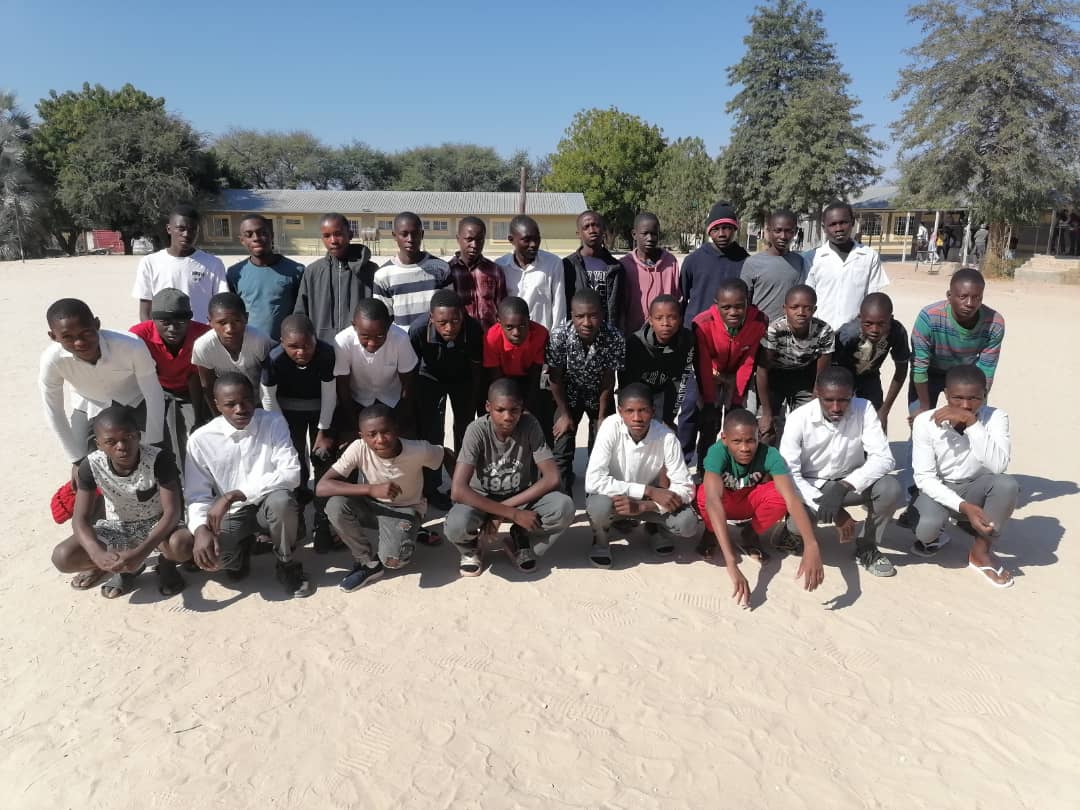
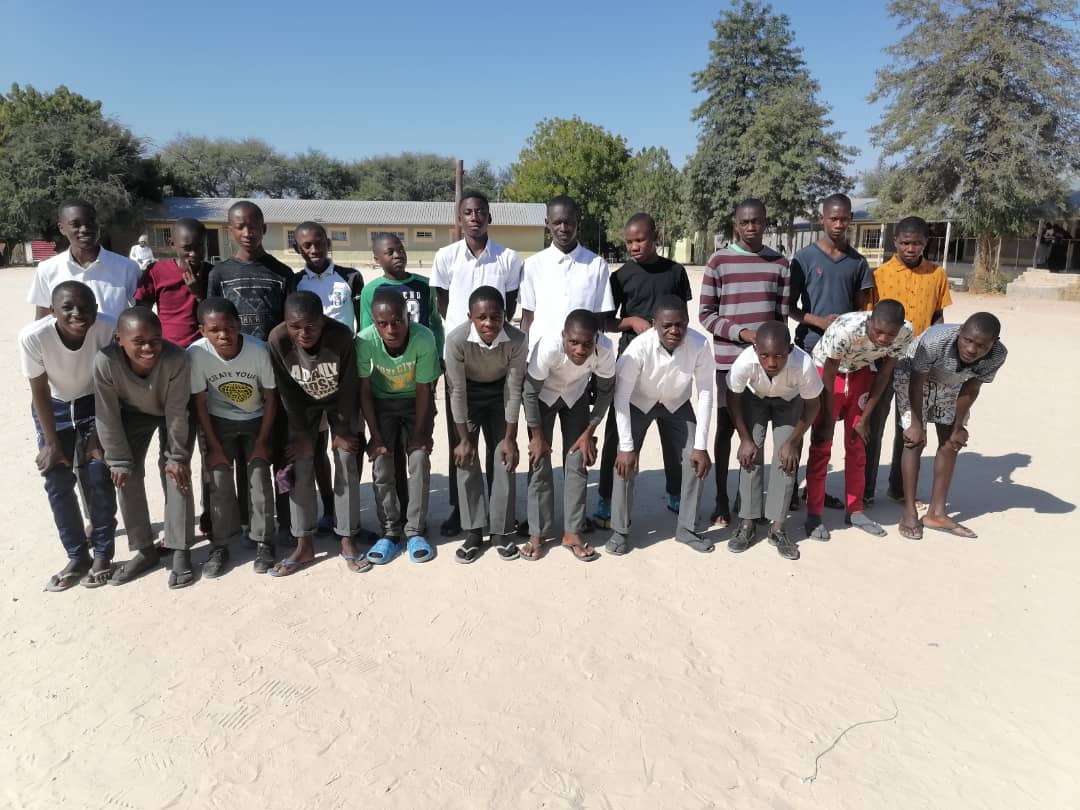
The Academy boasts more than 1500 players across both Kavango regions, participating in sports such as soccer, boxing, and athletics. However, Mavara pointed out the need for additional sports equipment to support these aspiring athletes.

The Academy expressed gratitude to the Chinese Embassy for their support with boxing equipment, but they now seek further assistance.

Mavara concluded, “Those willing to assist the Academy can contact any of our coaches in the two regions.” – Namibia Daily News
August 2, 2023 0 comment
0 Facebook Twitter Google + Pinterest
UK Offers Voluntary Return Service to Namibians Living in the UK Illegally

By Staff Reporter

LONDON, August 2 — The United Kingdom has officially expressed its willingness to assist Namibians residing illegally in the UK who wish to return home. This decision follows recent changes to the UK’s immigration laws, which now require Namibians to obtain visas before entering the country.

Through the newly launched voluntary return service, the UK government is offering reintegration packages of up to ÂŁ3,000 per person (equivalent to N$68,000) to support individuals as they resettle in Namibia. The service will cover the cost of the return flight and assist in securing travel documents with the help of the high commission.

The notice from the Namibian High Commission to the UK emphasizes that voluntarily returning home can lead to a reduction in re-entry bans if individuals apply for a UK visa in the future.

For many Namibians residing in the UK without proper documentation, this offer is a welcome opportunity. The recent changes to immigration laws have made it more challenging for them to remain in the UK, and many now face the risk of deportation. The voluntary return service provides a safe way for these individuals to return home while receiving financial assistance.

However, the offer has also been met with some criticism. Some argue that the UK government should not be aiding individuals who have violated the law. Others contend that the reintegration packages may not be sufficient for those who have been living in the UK for an extended period.

The Namibian High Commission has assured that it will collaborate with the UK government to ensure the effectiveness of the voluntary return service. Additionally, the high commission pledges to provide support to those returning to Namibia, including assistance in finding jobs and housing.

While the UK government’s offer is a positive step, it should be recognized that it is not a comprehensive solution to the issue of illegal immigration. Addressing the root causes of illegal immigration, such as poverty and unemployment, is crucial to preventing further instances of unlawful entry into the UK.

August 1, 2023 0 comment
0 Facebook Twitter Google + Pinterest
Huawei Announces Royalty Rates for Patents at Flagship Event in Shenzhen

By Staff Reporter

Shenzhen, August 1 – Huawei, one of the world’s largest patent holders, recently unveiled the royalty rates for its handset, Wi-Fi, and IoT patent license programs. The announcement was made by the company’s Chief Legal Officer, Song Liuping, at Huawei’s annual flagship event on innovation and intellectual property protection in Shenzhen, themed “Bridging Horizons of Innovations: Sharing IP, Driving Innovation.”

Over the past two decades, Huawei has been a significant contributor to mainstream ICT standards, including cellular, Wi-Fi, and multimedia codecs. The event featured expert sessions covering technologies applicable at home, on the go, and at work. Topics ranged from leading research on 5.5G, audio and video technologies, to innovative mobile phone features like ten-size adjustable apertures.

Huawei emphasized its commitment to licensing standard essential patents (SEPs) on fair, reasonable, and non-discriminatory (FRAND) principles. The company announced royalty rates for 4G and 5G handsets, Wi-Fi 6 devices, and Internet of Things (IoT) products, areas where Huawei holds a prominent position as a SEP owner. The rate caps for 4G and 5G handsets are set at US$1.5 per unit and US$2.5 per unit, respectively. For Wi-Fi 6 consumer devices, the royalty rate is US$0.5 per unit. Regarding IoT, the rate for IoT-Centric devices is one percent of the net selling price, capped at US$0.75, while the rate for IoT-Enhanced devices ranges from US$0.3 to US$1 per unit.

Alan Fan, Vice President and Head of the Intellectual Property Rights Department at Huawei emphasized that a positive cycle that protects, rewards, and encourages innovators is crucial for sustainable innovation. Fan stated, “Huawei takes a balanced approach to patent licensing. We believe reasonable royalty rates will incentivize both the creation and adoption of innovations.”

To date, Huawei has entered almost 200 bilateral patent licenses, and over 350 companies have obtained licenses for Huawei’s patents through patent pools. Huawei’s total past royalty payments have exceeded its total royalty collections, with licensing revenue amounting to US$560 million in 2022.

Tomas Lamanauskas, Deputy Secretary-General of the International Telecommunication Union, acknowledged Huawei’s significant role in supporting cost-effective, inclusive innovation on a global scale. He emphasized the importance of conducive policies and frameworks to foster innovation ecosystems.

Huawei’s cumulative R&D investment over the past decade has totalled CNY977.3 billion. In 2022, its R&D expenditure accounted for 25.1% of its revenue, earning it the No. 4 spot worldwide in the 2022 EU Industrial R&D Investment Scoreboard.

Huawei has entered patent licenses with industry leaders like Samsung and Oppo, as well as top automakers such as Mercedes-Benz, Audi, BMW, and others. The company is actively engaged with major global open-source industry organizations.

During the event, Huawei also launched its official licensing website, providing detailed information about the company’s bilateral licensing programs, ranging from mobile handsets to Wi-Fi and cellular IoT.

“Intellectual property is the great engine of cooperation in technology. It advances technology for everyone to enjoy,” said Randall R. Rader, former Chief Judge of the United States Court of Appeals for the Federal Circuit.

August 1, 2023 0 comment
0 Facebook Twitter Google + Pinterest
Embracing Solar Power: Nedbank’s Sustainable Financing Solution for Homeowners

By Staff Reporter

WINDHOEK, August 1 — As the global focus on renewable energy intensifies amidst climate change concerns and rising living costs, solar power has emerged as a financially viable and eco-friendly solution. In Namibia, solar power represents not only an environmental initiative but also a strategic investment in a financially sustainable future, particularly for homeowners.

The initial cost of solar installation can be intimidating, ranging from N$20,000 to N$100,000 for a typical residential system in Windhoek, often discouraging potential adopters. To address these financial constraints, Nedbank Namibia has introduced a Solar Financing Solution for Home Loans, offering a pathway to renewable energy that accommodates homeowners’ unique needs and financial capabilities.

Amanda von Wielligh, Acting Head of Home Loans at Nedbank Namibia, highlighted the bank’s commitment to simplify the process and ease the immediate financial burden for homeowners transitioning to solar power.

Nedbank’s Solar Financing Solution provides three avenues for homeowners: personal loans of up to N$200,000 over a 60-month term, asset-based finance with terms extending to 48 months and requiring a 10% deposit, and leveraging an existing home loan for solar financing if there’s sufficient scope on the loan.

Repayments for these financing options start from as low as N$1,200 per month, making solar power accessible to all homeowners. The savings on monthly electricity bills often offset these repayments significantly.

To ensure top-notch solar installation and maintenance, Nedbank has partnered with Pupkewitz Megatech, a certified solar supplier and installer. Megatech offers expert guidance tailored to the specific needs and requirements of each homeowner.

Opting for solar financing with Nedbank not only decreases reliance on conventional energy sources but also contributes to substantial long-term savings and environmental conservation—a meaningful legacy for future generations.

Amanda von Wielligh emphasizes that investing in solar energy empowers homeowners to make wise financial and environmental choices. Nedbank is steadfast in its commitment to facilitating this transition with seamless efficiency.

For homeowners considering solar energy investment or seeking more information about Nedbank’s solar financing options, the Nedbank Customer Contact Centre can be reached at +264 61 959 2222, or visit www.nedbank.com.na for comprehensive details. – Namibia Daily News

August 1, 2023 0 comment
0 Facebook Twitter Google + Pinterest
Russia-Africa Summit: A Milestone Event for Peace, Security, and Development

By Josef Kefas Sheehama

The Russia-Africa Summit took place from 27-28 July with the theme “For peace, security, and development,” attended by 17 Heads of State and Government, along with representatives from 49 of the 54 African nations. WION Live TV News reported that an allocation of 1.2 billion rubles has been made to strengthen African healthcare systems.

In 2023, South Africa is chairing the BRICS group under the theme: “BRICS and Africa: Partnership for Mutually Accelerated Growth, Sustainable Development, and Inclusive Multilateralism.” The 15th BRICS Summit will be hosted by South Africa from 22 to 24 August 2023, with leaders from Brazil, Russia, India, and China attending. BRICS brings together 3.2 billion people, making it one of the largest blocs by population. South Africa aims to foster a partnership between BRICS and Africa to facilitate increased trade, investment, and infrastructure development, focusing on the African Continental Free Trade Area (AfCFTA) and infrastructure. Another priority is strengthening multilateralism and advocating for meaningful women’s participation in peace processes. The BRICS countries aim to reform the United Nations, including the UN Security Council, to better represent African and Global South countries’ interests.

The African Continental Free Trade Area (AfCFTA) is driving Africa’s integration and growth, making it the world’s largest single market. African countries are enacting reforms to improve the business environment and attract private investment, enhancing competitiveness and integration into global supply chains.

Trade relations between Russia and Namibia were impacted by geopolitical tension, resulting in a 41% reduction in 2023. Namibia aims to strengthen bilateral relations in sectors such as agriculture, mining, and healthcare.

The twin summits seek to shift away from reliance on the US dollar and explore the possibility of a common single currency based on a basket of currencies from BRICS countries. A BRICS Currency could challenge the dollar’s dominance and has been advocated by Russia and China.

The summits represent a crucial step towards African integration, promoting economic and political cooperation. Deeper engagement strengthens bilateral trade and investment, fostering a constructive environment for prosperity in Africa and global cooperation.

In conclusion, these summits require energy, patience, and political leadership to achieve their objectives of enhancing African competitiveness and prosperity. African integration is essential for better global cooperation and balanced development. Efforts to foster this journey should be intensified for long-term success.

August 1, 2023 0 comment
0 Facebook Twitter Google + Pinterest
Capricorn Group’s Esteemed Executive Awarded CIO of the Year 2023

By Staff Reporter

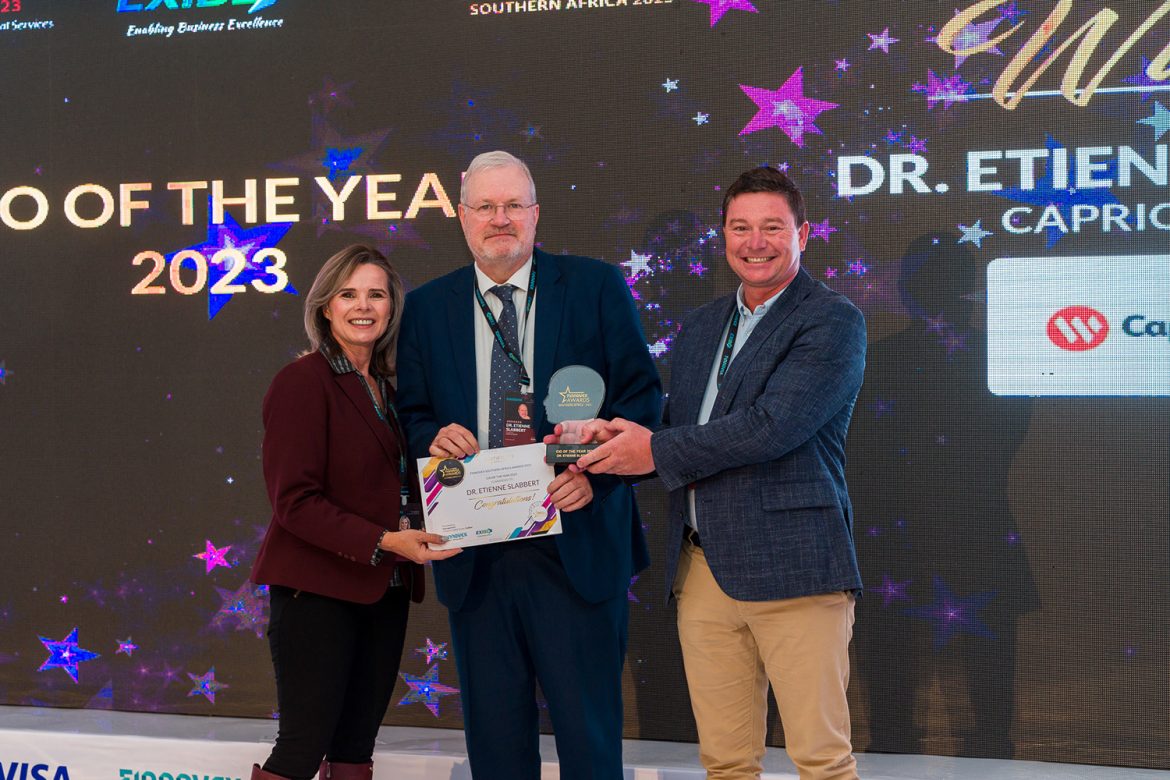
WINDHOEK, August 1 — Capricorn Group is delighted to announce that Dr. Etienne Slabbert, the Group’s Chief Information Officer, has been honoured with the prestigious CIO of the Year 2023 award for his exceptional leadership and visionary contributions to the financial technology landscape in Southern Africa.

The award was bestowed at the 19th Finnovex Southern Africa 2023 Awards, held in Johannesburg, South Africa on 25th July 2023. Finnovex is renowned for its thought leadership on cutting-edge financial issues and solutions, celebrating individuals and companies that transform the financial ecosystem and consistently demonstrate exemplary performance. The CIO of the Year 2023 award recognizes Dr. Slabbert’s outstanding achievements as evaluated by industry experts, organizers, and a distinguished panel responsible for selecting the winners. Finnovex praised Dr. Slabbert’s inspirational leadership in the IT sector, stating that he is “propelling the industry towards a future of unprecedented possibilities.”

The award reflects not only Dr. Slabbert’s relentless pursuit of excellence in the information technology sector but also Capricorn Group’s visionary leadership, fostering a culture of innovation and pushing boundaries to achieve tangible results.

Expressing his delight, Dr. Slabbert said, “It was a pleasant surprise to receive the prestigious CIO of the Year Award for Southern Africa at the 19th Finnovex event, alongside other esteemed industry leaders. Working in IT at Capricorn Group has provided me with the opportunity to be part of transformative projects as we continue to enhance our digital systems across the Group.”

Emphasizing the significance of the Fourth Industrial Revolution (4IR) and the opportunities it brings, Dr. Slabbert highlighted the exciting time for IT professionals to implement world-class solutions recognized by the industry, peers, and customers, ultimately enhancing the user experience.

Capricorn Group, as a leading Namibian financial services group, takes immense pride in its robust IT resources, systems, and infrastructure, employing highly skilled IT professionals, including developers, specialists, engineers, data engineers, and data scientists. The Group extends its warm congratulations to Dr. Etienne Slabbert on this prestigious award and eagerly anticipates further world-leading implementations in the future to enhance the customer experience across various channels.

Finnovex is a series of Summits exploring the future of financial services and how disruptive innovations are reshaping their structure, provisioning, and consumption. As the financial services industry undergoes a profound transformation, driven by rapid technological advancements, evolving customer expectations, and dynamic regulatory changes, fintech solutions have emerged as powerful drivers of change.

August 1, 2023 0 comment
0 Facebook Twitter Google + Pinterest
Justice for Animals Takes on Job Amupanda Over Alleged Dog-Eating Video

Kaleb Nghishidivali

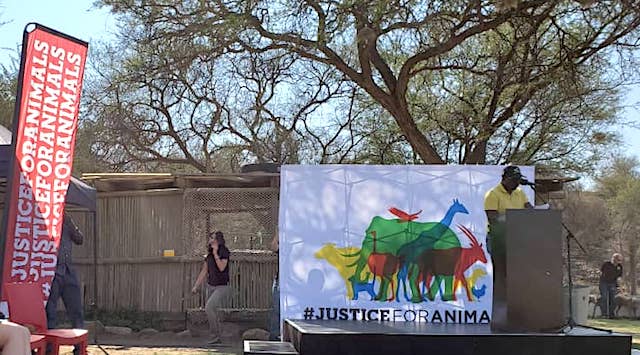
Windhoek, August 1 – Justice for Animals, a prominent animal rights organization, has launched a legal battle against Job Amupanda, accusing him of violating the 1962 Animal Protection Act by allegedly consuming dog meat.

The charges against Amupanda are based on a video he posted on his social media last week, where he is shown consuming dog meat. The Animal Protection Act of 1962 explicitly stipulates that anyone found guilty of killing a dog with the intention of using its skin, meat, or any part of it for commercial purposes is liable to be convicted with a fine or a six-month imprisonment, or both.

In a public statement, Justice for Animals declared their intention to pursue the matter legally against Amupanda. The group is well-known for advocating the rights and protection of animals and has been instrumental in raising awareness about animal cruelty and promoting animal welfare in Namibia.

In an effort to garner public support for their cause, the group has erected billboards across Windhoek and northern Namibia. The billboard campaign carries the slogan “Friend, not Food,” a clear rebuke to Amupanda’s alleged actions and a call to view dogs as companions rather than a source of food.

The group’s actions have sparked widespread debate about animal rights and the consumption of dog meat in Namibia. This has led to renewed calls for tougher animal protection laws and more stringent enforcement of existing legislation.

Job Amupanda, a prominent figure, has yet to respond to the allegations or the legal threats from Justice for Animals.

The case is being closely watched by animal welfare groups, legal experts, and the general public, both locally and internationally. If it proceeds to court, it could set a precedent for future cases regarding the treatment of animals, particularly in the context of consumption.

As the situation unfolds, it is evident that this issue has brought the discussion of animal rights to the forefront in Namibia. The outcome of this case could potentially influence the country’s stance on animal welfare and the legislation surrounding it. – Namibia Daily News

August 1, 2023 0 comment
0 Facebook Twitter Google + Pinterest
Africa Needs a Strong Research Base to Achieve Its Full Potential

By Staff Reporter

WINDHOEK, August 1 — The Africa Charter on Transformative Research Collaborations was officially launched during the 22nd edition of the Association of African Universities Biennial Conference of Rectors and Vice-Chancellors 2023 (COREVIP 2023) in Windhoek, Namibia. This landmark Charter calls for a new approach to research in Africa that fosters greater equity and inclusivity.

The Charter highlights the current extractive nature of research in Africa, which often sidelines African researchers from actively participating in defining research questions, conducting studies, and disseminating findings. As a result, research on Africa tends to benefit external entities more than the African people themselves.

To address these challenges, the Charter proposes a new research model grounded in principles of reciprocity, equality, and sustainability. In this envisioned model, African researchers would be equal partners in the research process, actively contributing to the formulation of research questions, the implementation of studies, and the communication of research outcomes.

The Charter is not just a lofty aspiration; it is an essential tool for Africa to unlock its full potential. To achieve meaningful progress, Africa must build a robust research foundation, and the Charter serves as a blueprint for this endeavour. All stakeholders in African research are urged to take the Charter seriously and support its implementation.

Key Areas of Transformation in the Charter:

  1. Research Questions: The Charter emphasizes the importance of defining research questions that are relevant to the needs of African communities and people.
  2. Research Methods: It advocates for a more participatory approach, wherein African researchers actively lead the design and execution of research projects.
  3. Research Dissemination: The Charter calls for research findings to be communicated in accessible ways for African communities and individuals.
  4. Capacity Building: It underscores the need for increased investment in capacity building for African researchers, enabling them to play a significant role in the research process.

Potential Impact of the Charter:

The Africa Charter on Transformative Research Collaborations has the potential to revolutionize research practices on the continent. By promoting a fair and inclusive approach to research, the Charter seeks to ensure that research efforts genuinely benefit African communities and people.

The Charter has already garnered endorsements from several leading African universities and research institutions, as well as support from international organizations such as the African Union Commission and the World Bank.

While still a work in progress, the Charter holds promise as a landmark document in the history of research on Africa. Successful implementation could usher in a transformative era in research practices, ultimately benefiting the continent and its people.

In conclusion, the Africa Charter on Transformative Research Collaborations is an ambitious yet essential document for Africa’s progress. Building a strong research base is crucial for Africa to reach its full potential, and this Charter lays out the roadmap for achieving this goal. All stakeholders in African research should rally behind the Charter to ensure its success and impact.

August 1, 2023 0 comment
0 Facebook Twitter Google + Pinterest
Namibia Takes Landmark Step to Regulate Virtual Assets

NDN Staffer

WINDHOEK, August 1 — Namibia has recently made a significant move to legitimize the digital currency industry by passing the “Namibia Virtual Assets Act 2023.” The Act establishes a legal framework for Virtual Asset Service Providers (VASPs), which includes cryptocurrency exchanges and custodians, to operate within the country. This landmark law outlines guidelines for the custody of digital assets, measures to prevent market manipulation, and steps to combat the financing of terrorism.

President Hage Geingob signed the law into effect on July 14, 2023. While the exact implementation date remains uncertain, VASPs are expected to initiate license applications soon.

This development holds great importance for Namibia’s digital currency industry. By providing clear regulations to follow, the Act enhances the confidence of investors in the security of their investments and fosters a safer operating environment for VASPs.

Namibia’s adoption of this virtual asset regulation puts it in line with other African countries that have taken similar steps to regulate the digital currency industry. Countries such as Kenya, Seychelles, and Botswana have passed their own laws to oversee virtual assets in recent years.

Overall, the enactment of the Namibia Virtual Assets Act 2023 signals a positive trajectory for the African digital currency industry. It demonstrates the seriousness with which regional governments approach this sector and establishes a framework for its responsible and secure development.

Virtual Asset Regulations in Other African Countries

In addition to Namibia, several other African nations have enacted laws to regulate virtual assets, including:

1. Kenya: The Virtual Assets Act of 2021 establishes a framework for licensing and regulating VASPs in the country.

2. Seychelles: The Virtual Asset Liabilities Framework, passed in 2018, provides a regulatory structure for VASPs and other entities involved in virtual assets.

3. Botswana: The Blockchain Technology Act, also passed in 2018, outlines a regulatory framework for the utilization of blockchain technology in Botswana.

These regulations underscore Africa’s commitment to addressing the digital currency industry seriously. By offering a framework for responsible development and safeguarding investors, these laws contribute to the industry’s long-term growth and stability.

August 1, 2023 0 comment
0 Facebook Twitter Google + Pinterest
Namibia Seeks to Expand Agricultural Trade with Russia

NDN Staffer

MOSCOW, August 1 — Namibia is interested in increasing wheat and seed potato shipments from Russia, according to a meeting between representatives of the two countries agriculture ministries at the Russia-Africa forum in St. Petersburg last week.

Rosselkhoznadzor, Russia’s federal agency for veterinary and phytosanitary supervision, asked the Namibian delegates for their current phytosanitary requirements, including quality control and safety standards for grain, plant products, GMOs, and pesticides. The Namibian delegation also expressed their desire to get acquainted with the Russian system of phytosanitary control and showed interest in training their specialists at the training centre of the All-Russian Research Institute of Plant Quarantine.

The meeting also considered the issues of expanding the range of seeds and planting material, fruits and vegetables for import from Namibia to Russia.

According to the Grain Union, wheat shipments from Russia to Namibia in the 2021/2022 agricultural year totalled 15,400 tonnes. This represents a significant increase from the previous year when only 7,000 tonnes of wheat were exported from Russia to Namibia.

The growing interest in agricultural trade between Russia and Namibia is a positive development for both countries. Russia is a major producer of wheat and seed potatoes, while Namibia is a major producer of fruits and vegetables. By expanding trade in these products, both countries can benefit from each other’s strengths.

The meeting in St. Petersburg was a productive step towards increasing agricultural trade between Russia and Namibia. It is expected that further discussions will be held in the near future to finalize the details of the agreement.

Benefits of Increased Trade

There are a number of benefits that could be realized from increased trade between Russia and Namibia in agricultural products. For Russia, it would provide an opportunity to export more of its wheat and seed potatoes, which are in high demand around the world. For Namibia, it would provide access to a new market for its fruits and vegetables, which could help to boost the country’s agricultural sector.

In addition, increased trade between the two countries could help to create jobs and boost economic growth in both countries. It could also help to improve food security in both countries, as each country would have access to a wider range of agricultural products.

Conclusion

The meeting between representatives of the agriculture ministries of Russia and Namibia was a positive step towards increasing agricultural trade between the two countries. There are a number of potential benefits that could be realized from increased trade, including job creation, economic growth, and improved food security. It is expected that further discussions will be held in the near future to finalize the details of the agreement.

August 1, 2023 0 comment
0 Facebook Twitter Google + Pinterest