Advertise Here

Large parts of England on heat-health alert as temperatures soar

LONDON, Aug. 11 — The British Health Security Agency (UKHSA) and the Met Office on Monday issued an amber heat-health alert (HHA) for five regions of England, effective from Tuesday, as hot weather is expected to grip much of the country this week.

The amber alert, described as an “enhanced hot weather response,” covers the West Midlands, East Midlands, South East, London, and East of England.

In addition, a yellow alert has been issued for the North West and North East regions during the same period. The South West and Yorkshire and the Humber regions remain under a yellow HHA already in force.

The Met Office said a combination of high pressure and a southerly airflow would push temperatures higher across much of England and Wales in the first half of the week, with some areas exceeding 30 degrees Celsius on Monday.

London is likely to see temperatures peak in the mid-30s degrees on Tuesday. Met Office Deputy Chief Meteorologist Tom Crabtree said that warmth would dominate the first half of the week, with temperatures staying above average in the latter part, especially in the southeast.

The Met Office said its heatwave criteria, where specific thresholds must be exceeded for three consecutive days, are likely to be met by Wednesday across much of southern and central England.

The UKHSA warned that high temperatures would significantly impact the health and social care services. Dr. Paul Coleman, consultant in Public Health at UKHSA, said such temperatures can cause serious health problems, particularly among vulnerable groups such as the elderly and people with underlying diseases.

He urged the public to take sensible precautions while enjoying the sunny weather.  (Xinhua)

August 11, 2025 0 comment
0 Facebook Twitter Google + Pinterest
AN ASSESSMENT IMPACT ON ECONOMIC PRODUCTIVITY OF SOE’S

By JOSEF KEFAS SHEEHAMA

It is very concerning that the Namibian government and its ministers find State-Owned Enterprises (SOEs) appealing, despite the fact that they cost the taxpayer millions of dollars. It is undeniable that some SOEs contribute to market failures, which eventually affect macroeconomic variables, as proven by current proceedings in Namibia’s distinct competent courts.

 Therefore, the SOEs were founded with a capitalist mindset to encourage citizens to view them more critically, while a few individuals take advantage of wealth that is justified by Namibia’s severe inequality, leaving others in poverty and destroying the economy of the country. For example, there is an immense flaw that guarantees; that some elites benefit from NAMCOR resources and that funds only go to one family, which is quite upsetting.

 It is crucial to point out that Namibia’s general state model demonstrated how the economy as a whole is impacted by the State-Owned Enterprises’ ongoing performance degradation. Growing government debt and budget deficits may raise the pressure to borrow money to make ends meet. Increased domestic borrowing will reduce GDP and raise unemployment, particularly among the unskilled. Being prepared and aware of the effects on the broader economy underscores the importance of addressing competitiveness concerns in State-Owned Enterprises. However, with the right settings and collaboration from other stakeholders, SOEs remain an important tool for delivering societal and public value. In addition to creating long-term value creation for the general public, SOEs can build trust by being transparent and accountable in their reporting and communication of targets, relationships, actions, and performance. Despite their limited contribution to government revenue, State-Owned Enterprises (SOEs) pose significant fiscal risks due to their lack of financial viability and require extensive budget support. This is a complete lack of economic competence, instruments, and experience. The risk of not being prepared to develop an enterprise sustainability vision, strategy, and structure is considerable.

Furthermore, it is long overdue for the new administration to launch a comprehensive assessment of its State-Owned Enterprises. This will enable the government to make bold and informed decisions about the future, optimize resource allocation, and build a more competitive and efficient economy while maintaining providing critical public services and satisfying national development targets. As certain SOEs are operating poorly, we must remember that government revenue created by hardworking Namibians is intended to be distributed to provide citizens with essential services. Unfortunately, some Sate-Owned Enterprises rely on government bailouts. The least fortunate and most vulnerable Namibians rely largely on the government’s fundamental responsibilities. As a result, the new administration must discontinue transferring funds to failed SOEs, diverting resources away from sectors where they are desperately needed. Addressing rising risks and inadequate efficiency in State-Owned Enterprises (SOEs) is crucial to Namibia’s transition to a more sustainable growth model. To realize Namibia’s growth potential and ensure rapid economic development that raises the standard of living for all Namibians, bold, serious consequence management must be applied. A good SOE can enhance resource allocation, eliminate major vulnerabilities, and provide space for employment development as a result of a stronger economic recovery in areas where the majority of SOEs fail owing to poor management.

Furthermore, the government may find itself borrowing money from outside sources if it continues to support any of these troublesome SOEs. Large funding injections are usually required for SOE bailouts, primarily for enterprises that are having financial difficulties. As a result, the government will need to borrow funds to cover these expenses. The government’s debt to GDP ratio is predicted to worsen to about 68%, with the potential to eventually exceed 70%. It is projected that the debt service burden will exceed N$13.7 billion in the fiscal year 2025–2026, surpassing the total development budget. The continuation of these acts will have an impact on the vital investments in many businesses that can help raise the standard of living for all Namibians.  In contrast certain State-Owned Enterprises have contributed to drive economic growth, social stability, and infrastructure development, they are frequently chastised for inefficiency and potential market distortions. It is vital to recognize that SOEs must take a path that blends their ongoing support for national goals with the need for enhanced efficiency and a market-oriented focus. The Bank of Namibia’s Economic projection expects that the economy will increase by roughly 4.0% in 2025, indicating an optimistic outlook for the country’s economic performance. In truth, the government is under pressure to continue streamlining spending, which is likely to undermine economic prospects. Private sector spending has slowed as a result of relatively weak domestic demand. So, what should be done to support economic growth and development? It is time to break the loop of SOE addiction, cut off the supply, and demand better from our public institutions. The new government must prioritise its responsibility to Namibians. In general, the new government must make the daring decision to investigate the SOEs to determine if it requires all of them and to launch a reengineering process for those that it decides to preserve. To prevent spending resources on enterprises that will be a drain on the state’s resources, the government must exercise vigilance.

Moreover, if effectively implemented, these measures tend to increase the likelihood that nonperforming SOEs will be privatized. This is due to the fact that better local conditions can inspire investor confidence, which in turn can lead to investment, including the private sector’s acquisition of nonperforming SOEs, which can promote growth. Privatization and investment have been largely hampered by the current external conditions of corruption, political influence, and poor management of SOEs. To prevent a strain on government revenue, it is crucial to gauge the operational and financial performance of SOEs. In this context, there is a need to strengthen fiscal risk identification, assessment, monitoring, and mitigation, particularly in terms of unplanned SOE bailouts caused by the realization of explicit or implicit contingent obligations. Building the capacity to identify and manage fiscal risks will support continuing reform efforts and serve as part of an early warning and mitigation system for risks posed by possible SOE financial challenges.

 The establishment of independent supervision systems, the appointment of competent and experienced board members, and the enhancement of transparency and disclosure standards will be crucial amongst SOEs.

As a result, while the new administration could encounter difficulties along the way, the benefits of a revitalized and productive state-owned company sector are enormous. Namibia’s administration must grasp this opportunity and steer the country toward a more sustainable and just economic destiny if it hopes to maintain its wealth and the welfare of its people in the future.

August 11, 2025 0 comment
0 Facebook Twitter Google + Pinterest
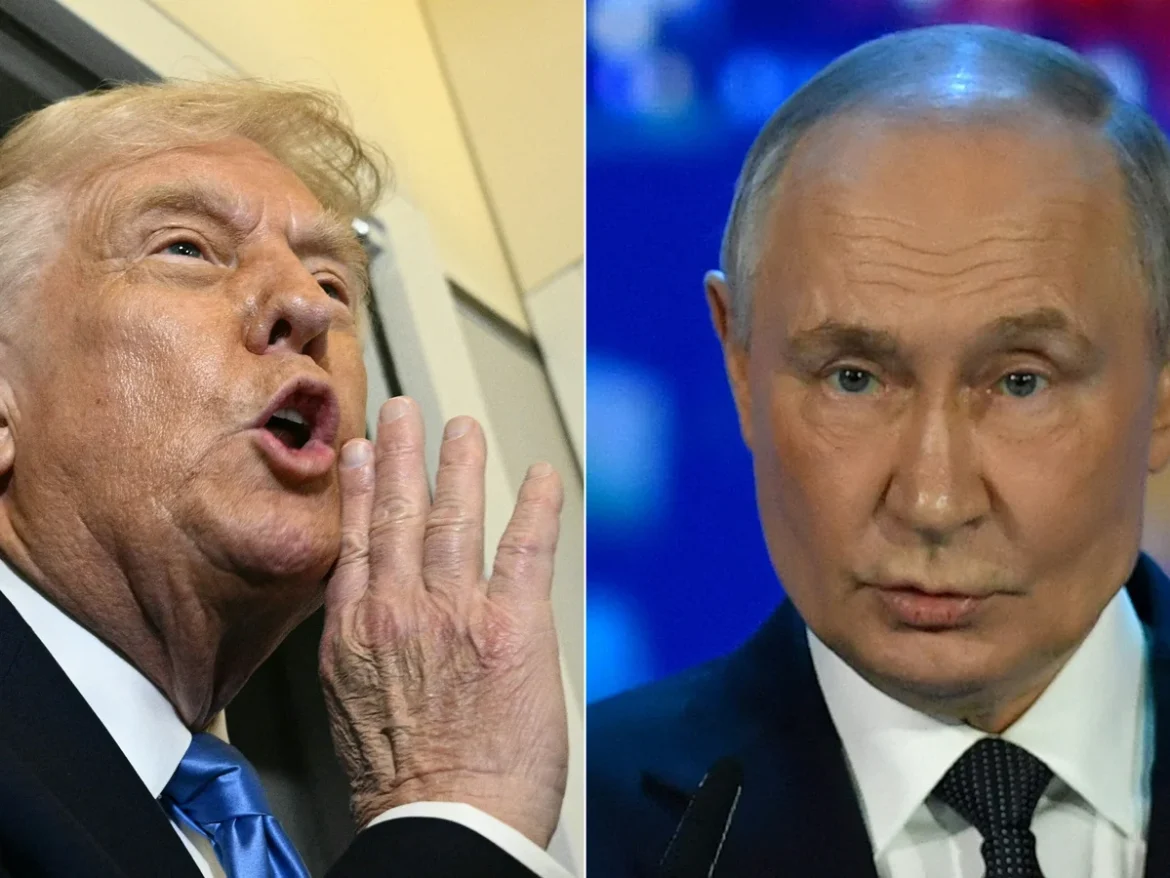
Ukraine, EU must be part of any U.S.-Russia deal: EU’s top diplomat

BRUSSELS, Aug. 11  — European Union (EU) foreign policy chief Kaja Kallas said on Sunday that any agreement between the United States and Russia must include Ukraine and the EU, as the two countries prepare for talks on a possible ceasefire of conflicts in Ukraine.

“Any deal between the U.S. and Russia must have Ukraine and the EU included, for it is a matter of Ukraine’s and the whole of Europe’s security,” she said.

Kallas revealed that she would convene an online meeting of EU foreign ministers on Monday to discuss “our next steps.”

U.S. President Donald Trump and Russian President Vladimir Putin are due to meet on Aug. 15 in the U.S. state of Alaska to discuss a possible ceasefire in Ukraine, the first talks between the two leaders since 2021. (Xinhua)

August 11, 2025 0 comment
0 Facebook Twitter Google + Pinterest
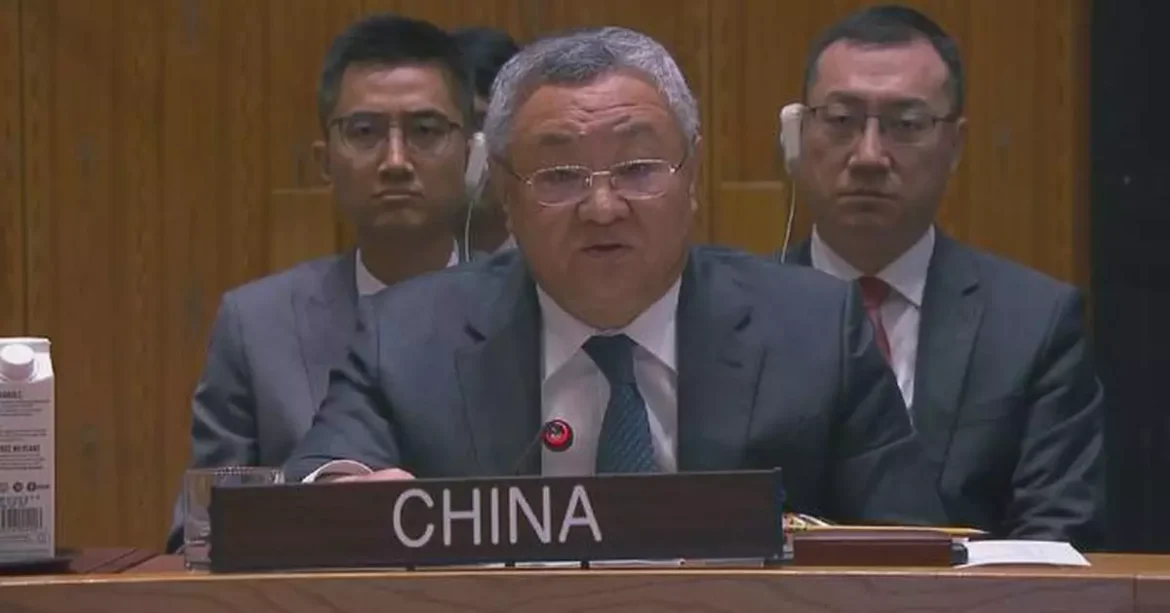
Israeli attempt to take over Gaza City must be firmly opposed: Chinese envoy

UNITED NATIONS, Aug. 11 — A Chinese envoy on Sunday expressed grave concern over Israel’s plan to take over Gaza City, saying any attempt to take over parts of the Palestinian territory must be firmly opposed.

The approval by Israel’s Security Cabinet of a plan to take over Gaza City is “a matter of grave concern,” China’s permanent representative to the United Nations Fu Cong, said at a rare emergency weekend meeting on the Palestinian-Israeli issue held by the UN Security Council, urging Israel to “stop this dangerous move at once.”

“Gaza belongs to the Palestinian people. It is an integral part of the Palestinian territory. Any action that seeks to alter its demographic and territorial structure must be met with utmost rejection and resistance,” Fu stressed.

Fu said that military means are not the way to resolve the long-standing conflict, and an immediate ceasefire is the only right way to save lives and secure the release of hostages.

He called on the Israeli government to listen to the calls of the international community and its own people, immediately stop escalating tensions, and end its military operations in Gaza.

“The countries with significant influence over the parties must uphold a just and responsible stance and take concrete steps to push forward a ceasefire,” he added.

Fu also urged Israel to fulfill its obligations under international humanitarian law as an occupying power; open all border crossings; lift restrictions on aid access; ensure large-scale, swift, and safe entry of humanitarian supplies into Gaza; and support the United Nations in its aid delivery under humanitarian principles.

Fu called implementing the two-state solution “the only viable path to resolving the Palestinian question and achieving the peaceful coexistence between Palestine and Israel.”

He urged the international community to “redouble efforts to advance the political process of the two-state solution and jointly counter any unilateral move that sabotages its foundation.”

China stands ready to work alongside the world to advance an end to the war in Gaza, alleviate the humanitarian catastrophe, and implement the two-state solution to ultimately achieve a comprehensive, just, and lasting solution to the Palestinian question, said Fu.

At the meeting, Israel’s Gaza takeover plan sparked widespread outcry and condemnation from most of the Security Council members. (Xinhua)

August 11, 2025 0 comment
0 Facebook Twitter Google + Pinterest
Swakop Uranium eyes 6,000-tonne output by 2028 in Namibia

WINDHOEK, Aug. 11  — Swakop Uranium expects to reach a design production capacity of an annual 6,000 tonnes of uranium oxide by 2028 at its Husab Mine in Namibia, up from the current output of 5,300 tonnes, the company has said.

“At that particular stage, I would dare to say that we will become the second-largest producing asset, if not the first,” said Irvinne Simataa, executive vice president at Swakop Uranium, at a mining expo on Thursday.

“We are now fully ramped up at 120 million tonnes drilled, blasted, and hauled,” he said. The life of the mine has been extended to 2044, backed by a resource base of approximately 315 kilotonnes, Simataa said, adding that additional geological work is ongoing.

To sustain future output, the company has reconstituted its exploration program with a 1.4-billion-Namibian-dollar (about 78.8 million U.S. dollars) commitment to drill 680,000 meters over seven years, including 100,000 meters planned in 2025.

“The intention, of course, is to be able to find another Husab within Husab,” Simataa said, adding that the project includes 21 rigs currently operating on a 60,000-hectare tenement.

Swakop Uranium is a joint venture between China General Nuclear Power Corporation and Namibia‘s state-owned Epangelo Mining Company. (Xinhua)

August 11, 2025 0 comment
0 Facebook Twitter Google + Pinterest
Trump, Putin eye to meet next week, no Russia-Ukraine truce in sight

WASHINGTON/MOSCOW, Aug. 8  — Washington and Moscow are intensively working on a meeting between their heads of state as early as next week, as a Washington-much-wanted Russia-Ukraine truce hangs in the air.

MEETING PENDING FOR NEXT WEEK “The Russians expressed their desire to meet with (U.S.) President (Donald) Trump, and the President is open to this meeting,” White House press secretary Karoline Leavitt said in a statement on Thursday.

The Kremlin said earlier Thursday that a meeting between Trump and (Russian President Vladimir) Putin had been agreed on in principle and would happen “in the coming days.”

The U.S. side initiated the push for the top-level talks, said Russian presidential aide Yury Ushakov. According to Ushakov, both sides are working to coordinate preparations for the meeting, as the venue has been agreed on and will be announced later.

Putin said he hopes the meeting to take place as early as next week, while the United Arab Emirates is mediating such a meeting to be held in the Gulf country.

Plans for a face-to-face meeting between the two leaders surfaced after Putin’s three-hour working meeting with Trump’s special envoy Steve Witkoff during the latter’s visit to Moscow on Wednesday.

Upon his arrival at Moscow’s airport, Witkoff was greeted by Putin’s investment chief Kirill Dmitriev. Dmitriev said a Putin-Trump meeting will reinvigorate Russia-U.S. engagement.

“We see vast potential for mutually beneficial collaboration, including with U.S. investors in Arctic projects, rare earth metals and infrastructure development,” he said.

PUTIN-ZELENSKY MEETING RULED OUT Asked by a reporter at the White House on Thursday afternoon whether Putin needs to meet with Ukrainian President Volodymyr Zelensky before sitting down with him, Trump said, “No, he doesn’t.”

Briefing Trump on his Moscow trip Wednesday, Witkoff said Putin would like to meet, and Trump responded that he was open to a meeting but also would want Putin to meet with Zelensky to discuss a ceasefire, said a White House official.

On the prospect of his meeting with Zelensky, Putin told the press on Thursday: “Unfortunately, we are still a long way from creating the necessary conditions.”

“President Trump would like to meet with both President Putin and President Zelensky because he wants this brutal war to end,” Leavitt said in the statement on Thursday, adding that the White House is “working through the details of these potential meetings, and details will be provided at the appropriate time.”

The New York Times reported Wednesday that Trump has plans to follow his meeting with Putin shortly afterward with a trilateral meeting involving Zelensky.

According to the report, in a call Wednesday with European leaders, including Zelensky, Trump disclosed that the meeting with Putin would be as soon as next week and the White House-planned trilateral meeting would include himself, Putin and Zelensky, excluding any European counterpart.

Regarding the possibility of a trilateral meeting, Ushakov said Thursday that it was merely mentioned by the U.S. side during the Kremlin talks, “not specifically deliberated, and the Russian side has left this proposal entirely without comment.”

NO CEASEFIRE IN SIGHT Friday is the deadline Trump revised in late July from a 50-day window of time for Putin to end the conflict in Ukraine or face new tougher sanctions.

Trump hinted Thursday afternoon that the deadline might not be as firm as previously stated. “We’re going to see what he has to say. It’s going to be up to him.

Very disappointed,” Trump told reporters at the White House when asked if the Friday deadline remains intact.

Issues related to Ukraine were discussed during the working meeting between Putin and Trump’s special envoy Witkoff on Wednesday, the Kremlin said, describing the overall talks as “very useful and constructive.”

Zelensky on Thursday said that finding a solution to the Russia-Ukraine conflict can be “truly effective” at the level of leaders.

“It is necessary to determine the timing for such a format and the range of issues to be addressed,” he said in a post on social media X, after having the phone conversation with Trump and several European leaders on Wednesday.

Zelensky said Ukraine will work toward peace “as productively as possible.” The last round of Russia-Ukraine talks held in Istanbul on July 23 concluded with no breakthrough towards a ceasefire but an agreement on another prisoner swap with civilian detainees included.

Russia and Ukraine remain quite apart from each other while exchanges of drone and missile attacks continue to inflict heavy casualties and infrastructure damage. (Xinhua)

August 8, 2025 0 comment
0 Facebook Twitter Google + Pinterest
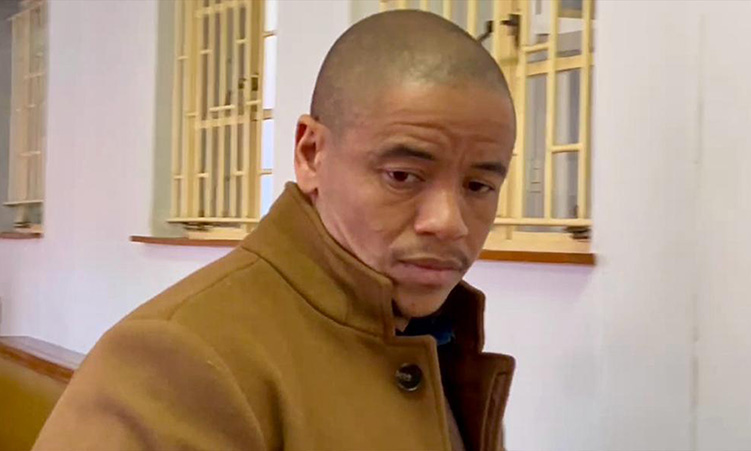
Fueling Corruption? Ex-Enercon Boss Freed on N$50k Bail

By John K WaDisho

Windhoek – 8 August A former chief executive of Enercon Namibia, Connie van Wyk (38), was granted bail of N$50 000 on Friday in connection with the ongoing corruption investigation involving the National Petroleum Corporation of Namibia (Namcor).

Van Wyk appeared before Magistrate Jurina Hochobes in the Windhoek Magistrate’s Court, where bail was granted on condition that he return to court on 25 August at 09h00.

He was arrested on 28 July alongside Austin Elindi, the son of Peter Elindi.

The case forms part of a widening investigation by the Anti-Corruption Commission (ACC) into allegations of fraud, money laundering, and abuse of office linked to Namcor’s fuel procurement and supply contracts.

Court documents indicate that prosecutors believe Van Wyk, through Enercon Namibia, may have facilitated or benefited from deals that improperly diverted Namcor funds.

Magistrate Hochobes warned Van Wyk that failure to appear in court would result in the immediate cancellation of his bail, a warrant for his arrest, and provisional forfeiture of the bail amount to the state.

August 8, 2025 0 comment
0 Facebook Twitter Google + Pinterest
Namibia moves to join Nuclear Suppliers Group

WINDHOEK, Aug. 8  — Namibia will apply to join the Nuclear Suppliers Group (NSG), Minister of Information and Communication Technology Emma Theofelus has said. The Cabinet approved the move on Tuesday, the minister said Thursday.

The Ministry of International Relations and Trade will lead the application process, which includes updating the country’s dossier and acting as the primary point, and establishing an interministerial committee tasked with implementing NSG guidelines, Theofelus said.

A ministerial delegation will engage with leaders of the International Atomic Energy Agency (IAEA) and the NSG on the margins of the IAEA General Conference in Vienna, Austria, in September to advance Namibia’s bid to join the Nuclear Suppliers Group, she said.

The Cabinet has authorized the Ministry of Industries, Mines and Energy to establish a national independent regulator and mechanisms of safeguards, safety, and security, Theofelus said.

The NSG is a group of 48 nuclear supplier countries that seeks to prevent the proliferation of nuclear weapons through the implementation of two sets of guidelines aimed at ensuring effective control over transfers of nuclear materials, equipment, and technologies, as well as nuclear-related dual-use items. (Xinhua)

August 8, 2025 0 comment
0 Facebook Twitter Google + Pinterest
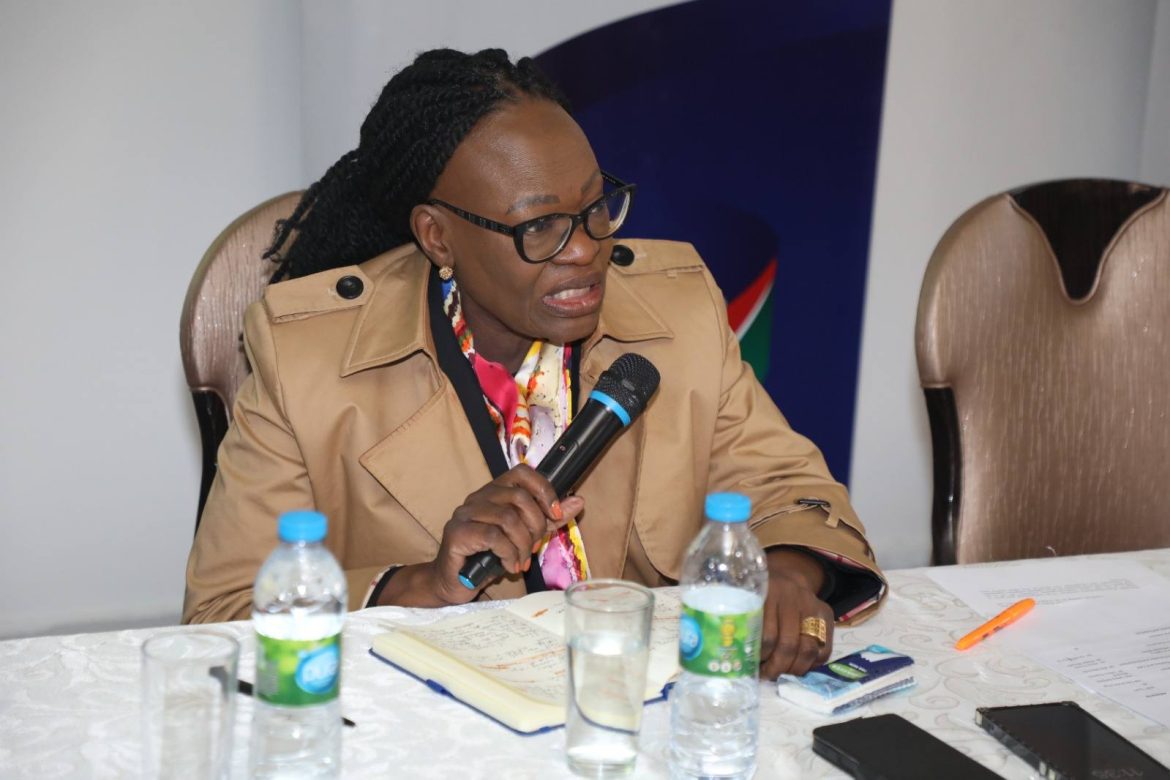
Namibia rolls out national campaign to boost AfCFTA readiness

WINDHOEK, Aug. 8 — Namibia is expanding engagement to operationalize the African Continental Free Trade Area (AfCFTA) and rolling out a nationwide campaign to identify local production strengths and prepare businesses for cross-border trade.

The engagement seeks to ensure that all 14 regions are equipped to participate in intra-African trade and benefit from the AfCFTA framework, Minister of International Relations and Trade Selma Ashipala-Musavyi told an event in Rundu, Kavango East Region. “Each region has unique economic strengths.

The goal is to harness these strengths to create jobs, add value locally, and promote inclusive growth,” she said. Namibia ratified the AfCFTA and commenced trading under the agreement on June 30.

The framework aims to remove trade barriers and enhance economic integration across the continent. Ashipala-Musavyi said regions like Kavango East, with strong agricultural potential, should position themselves to take advantage of broader African markets.

The government is finalizing legislation to establish a tariff management body aimed at protecting domestic industries from unfair competition, the minister said.

She emphasised the need for youth empowerment, skills development, and stronger partnerships between established businesses and young entrepreneurs while also encouraging local businesses to improve product standards, certification, and packaging to meet export requirements.

“The more finished goods we export, the more jobs we create at home,” Ashipala-Musavyi said, calling for increased efforts to process natural resources locally. (Xinhua)

August 8, 2025 0 comment
0 Facebook Twitter Google + Pinterest
Namibia approves new measures to safeguard fisheries resources

WINDHOEK, Aug. 8  — Namibia has approved a new set of measures to reduce fishing bycatch and safeguard the country’s fisheries resources, the information minister said.

The Ministry of Agriculture, Fisheries, Water and Land Reform will implement various measures approved by the Cabinet to safeguard the country’s marine resources, Minister of Information and Communication Technology Emma Theofelus announced Thursday.

A central part of the new measures is a strict 2 percent bycatch threshold, Theofelus said, adding that companies exceeding this limit will be liable for bycatch fees and subject to forfeiture of their excess catch.

The Cabinet also approved an increase in bycatch percentage fees to 50 percent, up from the current 15 percent, she said.

The new measures authorize a range of escalating penalties, including temporary or permanent license revocation for habitual offenders and license suspensions, depending on the severity of violations, Theofelus said.

Authorities may confiscate fishing gear or seize the vessels, she said. “In the event a fishing vessel exceeds bycatch limits, the excess should be deducted from its future quotas, and there should be an annual public listing of bycatch violators to discourage non-compliance,” Theofelus said.

Fishing is the third-largest economic sector in Namibia, after mining and agriculture. — Namibia has approved a new set of measures to reduce fishing bycatch and safeguard the country’s fisheries resources, the information minister said.

The Ministry of Agriculture, Fisheries, Water and Land Reform will implement various measures approved by the Cabinet to safeguard the country’s marine resources, Minister of Information and Communication Technology Emma Theofelus announced Thursday.

A central part of the new measures is a strict 2 percent bycatch threshold, Theofelus said, adding that companies exceeding this limit will be liable for bycatch fees and subject to forfeiture of their excess catch.

The Cabinet also approved an increase in bycatch percentage fees to 50 percent, up from the current 15 percent, she said.

The new measures authorize a range of escalating penalties, including temporary or permanent license revocation for habitual offenders and license suspensions, depending on the severity of violations, Theofelus said.

Authorities may confiscate fishing gear or seize the vessels, she said. “In the event a fishing vessel exceeds bycatch limits, the excess should be deducted from its future quotas, and there should be an annual public listing of bycatch violators to discourage non-compliance,” Theofelus said.

Fishing is the third-largest economic sector in Namibia, after mining and agriculture. (Xinhua)

August 8, 2025 0 comment
0 Facebook Twitter Google + Pinterest