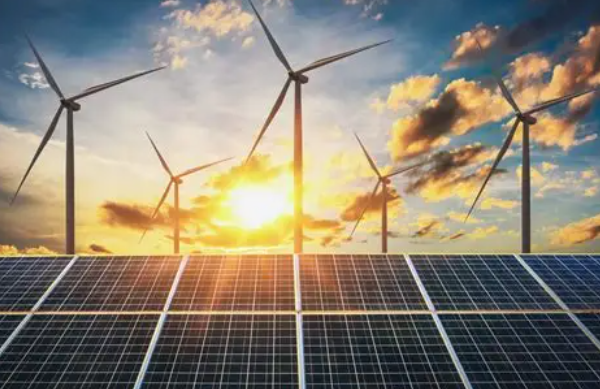
WINDHOEK, Dec. 20 — Namibia is seeking to mobilize 411 million U.S. dollars in private investment as part of a 1.76-billion-dollar energy expansion plan to increase renewable electricity generation and reduce reliance on costly power imports, according to a National Energy Compact launched Thursday.
According to the compact unveiled in Windhoek, the country’s capital, the government plans to attract private capital by streamlining procurement for independent power producers, expanding the modified single-buyer model that allows large consumers to purchase electricity directly from generators, and introducing incentives for battery energy storage to improve grid stability.
The compact sets out plans to add 454 megawatts (MW) of renewable energy capacity by 2030, increasing the share of renewables in Namibia’s electricity mix from about 54 percent to 70 percent.
The southern African nation currently imports more than half of its electricity needs and depends on imports for as much as 90 percent of supply during peak periods, particularly when output from its main hydropower plant is constrained by drought, the compact said, adding that imported electricity can cost up to three times more than domestic generation, contributing to high power tariffs.
In addition to boosting domestic supply, the compact also outlined Namibia’s intention to position itself as a regional electricity conduit by advancing cross-border transmission projects with Angola, Botswana, Zambia and Zimbabwe, and by committing to adopt cost-reflective transmission pricing under the Southern African Power Pool framework to support regional power trade. (Namibia Daily News / Xinhua)