

WINDHOEK, Sept. 1– Namibia is moving to align its technical and vocational education and training (TVET) system with Africa’s evolving labor market as greater continental economic integration creates new opportunities for employment and skills mobility, an official said Tuesday.
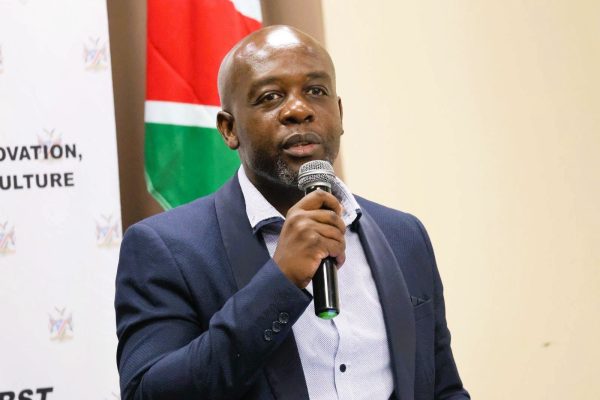
Lisho Mundia, deputy executive director in the Department of Higher Education, Training, Research and Innovation, made the remarks at a technical workshop in Windhoek assessing the alignment of Namibia’s national TVET policy with the African Union’s Continental TVET Strategy 2025-2034.
Mundia said initiatives, such as the African Continental Free Trade Area, are expanding opportunities for trade, investment, employment and knowledge exchange across the continent, requiring Namibia to develop a skills system that is responsive, competitive and internationally aligned.
Namibia’s skills development system should therefore prepare workers not only for the domestic labor market but also for opportunities in regional and continental markets, he said.
According to Mundia, this requires closer alignment of qualifications and competencies with evolving African occupational standards, improved recognition and portability of qualifications, and stronger technical, digital, entrepreneurial and professional skills.
The ongoing policy assessment will examine the relevance and quality of qualifications and training, industry participation, graduate employability, entrepreneurship development, digital and green skills, and quality assurance.
Mundia said alignment with the continental strategy does not mean simply adopting a continental framework, but rather provides Namibia with an opportunity to assess its TVET system while taking into account national priorities and development needs.
The process is expected to identify policy gaps, institutional challenges and strategic priorities for strengthening the country’s TVET system, he added.
The African Union’s Continental TVET Strategy 2025-2034 provides a framework for strengthening vocational education and training across Africa, with a focus on improving employability, responding to changing labor-market needs and supporting the continent’s economic transformation. (Namibia Daily News / Xinhua)

