

By Staff reporter
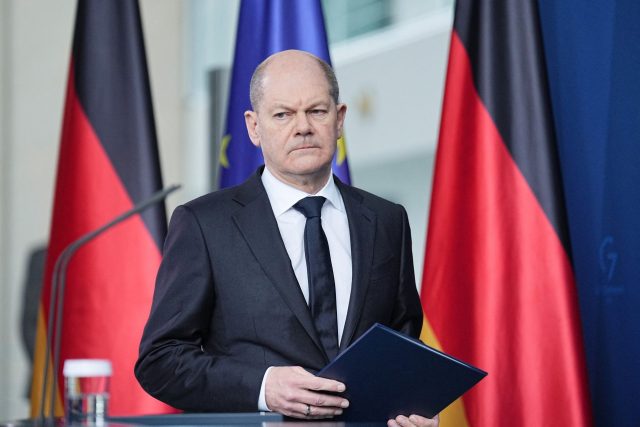
BERLIN, April 24 — Germany is set to assist mineral-rich countries, such as Namibia, Indonesia, and Chile, to build their processing infrastructure as it aims to reduce its dependence on China for key inputs such as nickel and other critical minerals. German Chancellor, Olaf Scholz, has announced that the country aims to locate more processing steps where the raw materials are sourced, which would create greater local prosperity and ensure that Germany has more than just one supplier in the future. This move towards self-sufficiency comes as Germany tries to rebalance its relationship with China.
Namibia, a lithium-rich African country, is trying to develop processing and refining industries to capture more of the profits of global demand for battery material. Lithium prices and demand have soared as the auto industry shifts towards electric vehicles (EVs) spurred by proposed bans on fossil-fuel cars beginning at the end of the decade. China currently dominates the supply chain, but Western governments and international companies are trying to challenge that and see Africa’s lithium reserves as an opportunity. In February, Namibia’s mines minister, Tom Alweendo, announced that all lithium mined within the country has to be processed in the country.

The German government has agreed to invest in Namibia’s green hydrogen sector through scholarships and pilot projects. Germany’s green hydrogen envoy, Rainer Baake, said his country is keen on supporting Namibia’s ambitions of achieving large-scale, low-cost renewable energy development and designing models for sustainably maximizing fiscal revenue. This would boost local development in renewable energy investments and green ammonia production. Namibia can expect a stable market for its new green products in Europe, mainly because the EU has set emission reduction targets that their various industries have to meet.
Germany’s willingness to assist mineral-rich countries in building their processing infrastructure is a positive step towards achieving greater self-sufficiency and reducing the reliance on China for key inputs. This move towards self-sufficiency is particularly important as the world shifts towards EVs and the demand for critical minerals such as lithium increases. By investing in Namibia’s green hydrogen sector and supporting its ambitions of achieving large-scale, low-cost renewable energy development, Germany is not only helping to reduce its reliance on China but is also helping to promote sustainable development in Namibia. – Namibia Daily News

