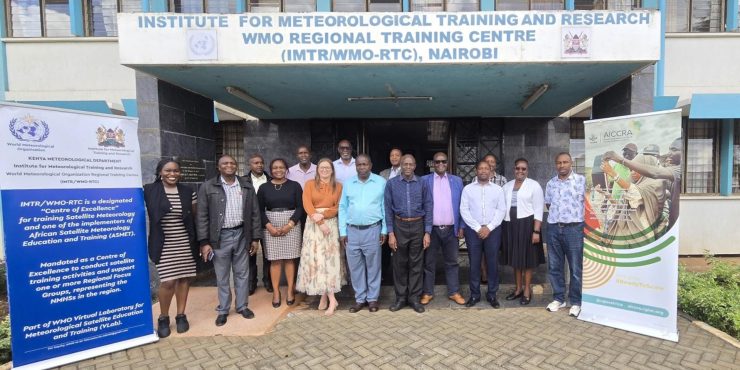
NAIROBI, May 27 — The World Meteorological Organization (WMO) on Tuesday launched a new curriculum to improve access to weather and climate information across English-speaking African countries.
Ishaam Abader, director of the Regional Coordination Office at the WMO, said the curriculum will help ensure private-sector engagement by leveraging its expertise and contributions to build a resilient future.
Abader said the private sector is a vital source of funding for climate action and requires timely weather information to make informed decisions and WMO guidelines on public-private engagement help both sectors co-produce and deliver weather information to all users.
Edward Muriuki, acting director of the Kenya Meteorological Department, said the curriculum targets five priority private sectors critical to the use of climate data, namely agriculture, energy, finance, insurance, and ICT.
“We expect the training to help build resilience and reduce risk exposure and vulnerability among communities,” Muriuki said. The launch of the curriculum comes as East Africa faces worsening climate variability, including erratic rainfall, prolonged droughts, devastating floods, pest outbreaks, and disrupted planting seasons.
The curriculum integrates insights from regional climate forums, satellite data, and dissemination systems, while building on collaborations among weather agencies, researchers, agritech innovators, and development partners.
The curriculum is expected to improve the use of climate products, support risk management, strengthen early warning systems, and boost climate-smart investments and business continuity. (Namibia Daily News / Xinhua)