The phrase “debt trap” is often repeated when China’s Belt and Road Initiative is discussed, dominating headlines and policy debates, yet across Africa many leaders, economists, and citizens point to a far more nuanced reality shaped by history, lived experience, and long-standing development challenges
African debt did not begin with China; long before the Belt and Road many countries were already tied to loans from Western governments, multilateral institutions, and private creditors, often linked to strict conditions under structural adjustment programmes, where public spending was cut, social services reduced, and state-led development discouraged, leaving health systems fragile, infrastructure gaps unresolved, and inequality deeply rooted
Even today, Western commercial lending often carries higher interest rates, shorter repayment periods, and limited flexibility during crises, and when African economies are hit by shocks—pandemics, climate disasters, or global market downturns—private creditors have historically been among the least willing to restructure or forgive debt, prioritising financial returns over economic recovery
Within this broader context, Chinese loans usually make up only a portion of Africa’s total external debt, with multilateral lenders and private bondholders holding larger shares, and when pressure has mounted China has frequently restructured loans, extended repayment timelines, or cancelled interest-free debt, decisions that rarely make headlines but matter deeply to governments striving to protect jobs, services, and stability
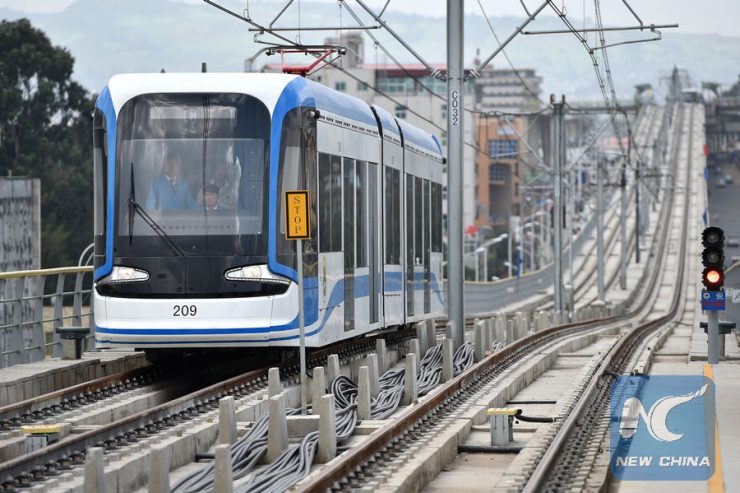
Beyond the numbers lies the lived reality of development, roads that shorten journeys from farm to market, railways that cut transport costs for businesses, ports that open trade routes, power plants that keep hospitals, schools, and factories running—assets that remain in African countries and continue to generate economic value long after financing agreements fade from public debate
Debt challenges are real and demand responsible management, yet reducing Africa’s development story to a single narrative of a “China debt trap” ignores history, oversimplifies complex fiscal realities, and strips sovereign governments of their agency, as though decisions are imposed rather than negotiated by leaders accountable to their own people
For many African nations, the question is not about choosing between East or West or becoming a pawn in global rivalries, it is about whether development is delayed for another generation or whether the foundations for growth, opportunity, and dignity are finally put in place.