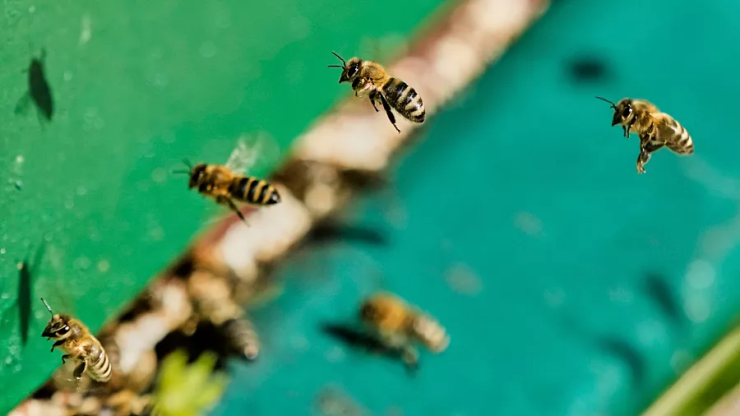
WINDHOEK, May 21 — Namibia‘s Ministry of Environment, Forestry, and Tourism has called for deliberate and coordinated efforts to protect pollinators, as the country joined the global commemoration of World Bee Day, observed annually on May 20.
The day, designated by the United Nations, aims to raise awareness about the importance of bees and other pollinators, the threats they face, and their vital contribution to sustainable development. In a statement issued Tuesday, the ministry said that protective measures should include the adoption of nature-friendly agricultural practices such as agro-ecology, intercropping, agroforestry, and integrated pest management.
“These methods help sustain pollinator populations, ensure stable crop yields, and reduce both food shortages and environmental impacts,” the ministry added. It further noted that bees and other pollinators are increasingly under threat from human activities.
Pollination is a fundamental ecological process, essential to the survival of ecosystems, with nearly 90 percent of wild flowering plant species and over 75 percent of global food crops relying — at least in part — on animal pollination. “However, pollinators are increasingly threatened by habitat loss, unsustainable agricultural practices, climate change, and pollution.
Their decline endangers food production, increases costs, and exacerbates food insecurity, especially in rural communities,” the ministry noted.
This year’s World Bee Day was observed under the theme, “Bee inspired by nature to nourish us all.” “This theme aptly highlights the critical role bees play in our agri-food systems and the overall health of the planet’s ecosystems,” the ministry concluded. (Xinhua)