By Charmaine Boois
Schlip City, Date: August 16, 2023 – The present youth generation is on the cusp of adulthood during a period characterized by unprecedented challenges and prospects linked to rapid climate change. As the climate crisis unfolds at an alarming rate, young people find themselves at the forefront of the battle to address its wide-ranging repercussions. In a time marked by economic and environmental upheaval, the role of educated and informed youth is more critical than ever.
The implications of climate change stretch beyond environmental concerns, impacting economic and societal dimensions. These young individuals are set to inherit a world that has been shaped by the actions and decisions of their predecessors. Their ability to grasp the intricacies of climate change and its potential solutions is pivotal in determining the trajectory of the future.
Acknowledging this, comprehensive climate education emerges as a fundamental foundation for equipping young minds with the knowledge and tools required to navigate the complex landscape of climate change. In essence, climate education serves as a link between comprehending the multifaceted challenges posed by a changing climate and formulating innovative strategies to mitigate its effects.
Preparing youth for leadership roles in tackling climate change is of paramount importance. As the leaders of tomorrow, they possess the potential to drive groundbreaking solutions that can alter the course of our planet. An essential facet of this effort involves adopting interdisciplinary and transdisciplinary approaches that unite a diverse range of experts, each contributing their distinct expertise to forge a comprehensive understanding of the challenges at hand.
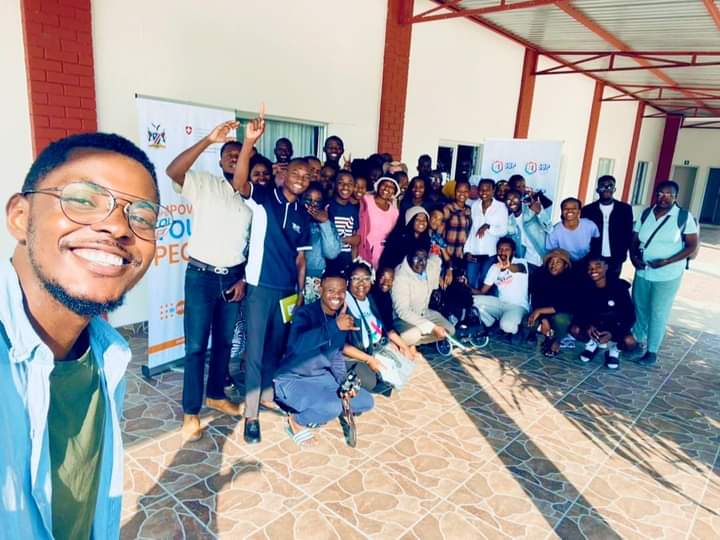
The urgency of the situation has spurred various organizations, including the National Youth Council of Namibia, UNFPA Namibia, and GIZ Namibia, to rally behind the cause. Initiatives such as “Green Skills For Youth Towards A Sustainable Economy And World” showcase their commitment to equipping youth with the skills needed to effectively address climate change. This initiative recognizes that climate action necessitates a united front, involving educators from diverse fields who contribute their insights to nurture innovative ideas, knowledge, and expertise.
While youth engagement has garnered remarkable attention, it serves as a catalyst for meaningful discussions on climate action. This platform has enabled the voices of young individuals to reverberate across global conversations, sparking a surge of initiatives and commitments aimed at mitigating climate change.
The inspiring story of Ricky Jacobs, a youth empowered by the efforts of the National Youth Council of Namibia, UNFPA Namibia, and GIZ Namibia, exemplifies the potential impact of youth empowerment in driving positive change.
In conclusion, the convergence of climate change and youth empowerment underscores the symbiotic relationship between informed young minds and a sustainable future. Their ability to comprehend the complexities of climate change, coupled with their determination to effect change, positions them as pivotal actors in the ongoing narrative of safeguarding our planet. As the world unites to address the challenges posed by a changing climate, the youth are poised to lead the charge towards a greener and more sustainable tomorrow.- Namibia Daily News