WINDHOEK, Oct. 17 — Namibia urgently needs to integrate disaster risk management systems, said I-Ben Nashandi, the executive director of the Prime Minister’s Office in Namibia, admitting that the country has not yet integrated many risk management systems for effective coordination in fighting natural disasters.
Natural disasters in Namibia affect the poorest of the poor because most find themselves in the direct path of riverbeds and floodplains. Farmers in Namibia also lose their livelihoods to veldt fires that destroy grazing land, livestock and human lives, said Nashandi Saturday when he officiated at the belated International Day for Disaster Risk Reduction (IDDRR) held in conjunction with the City of Windhoek, the capital of Namibia.
Nashandi said it is not enough for an early warning system to identify an incoming hazard correctly but that the systems must ensure that the populations and sectors at risk can receive the alert, understand it, and, most importantly, act on it.
“An early warning must trigger early action that is well-prepared and tested. In the case of fast-moving hazards, this sometimes means evacuating and seeking appropriate shelter,” Nashandi said.
In just two weeks in 2021, Namibia recorded 27 veld fires countrywide that destroyed 59 farms covering 143,000 hectares of land and killed 135 heads of livestock and 75 wild animals.
In early 2022, Namibia battled swarms of locusts that infested 800,000 hectares of farmland.
The United Nations General Assembly has designated Oct. 13 as the International Day for Disaster Risk Reduction to promote a global culture of disaster risk reduction. (Xinhua)
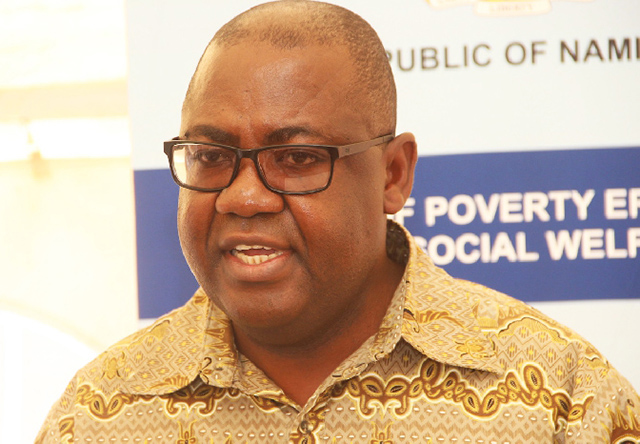
Namibia needs to integrate disaster risk management systems: official